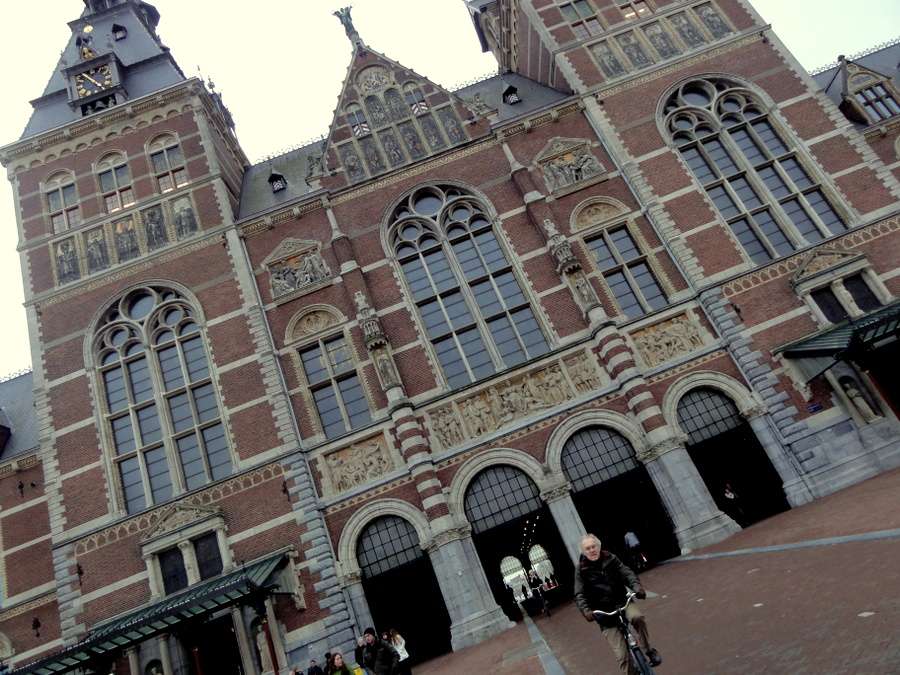
Last February I visited the Rijksmuseum which has recently re-opened after 10 years of renovation. The last time I was here was in 2001 during a visit in the country, a year shy away from my moving to the Netherlands to join the Dutchman.
I posted two separate entries of the Rijksmuseum earlier and these are:
The Doll Houses Collection: 17th Century Doll Houses at the Rijksmuseum
The Library: De Bibliotheek of the Rijksmuseum
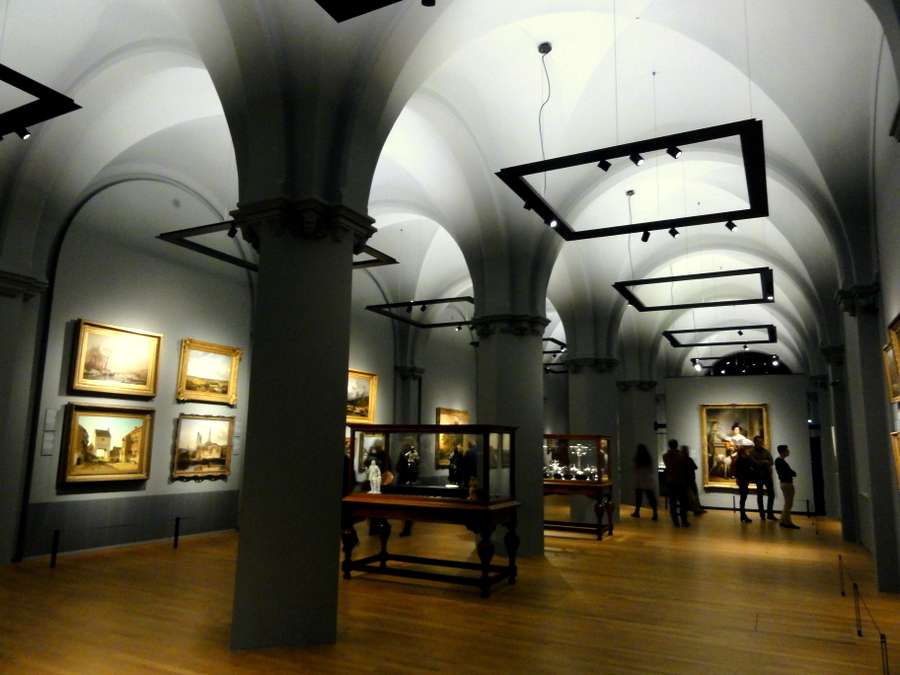
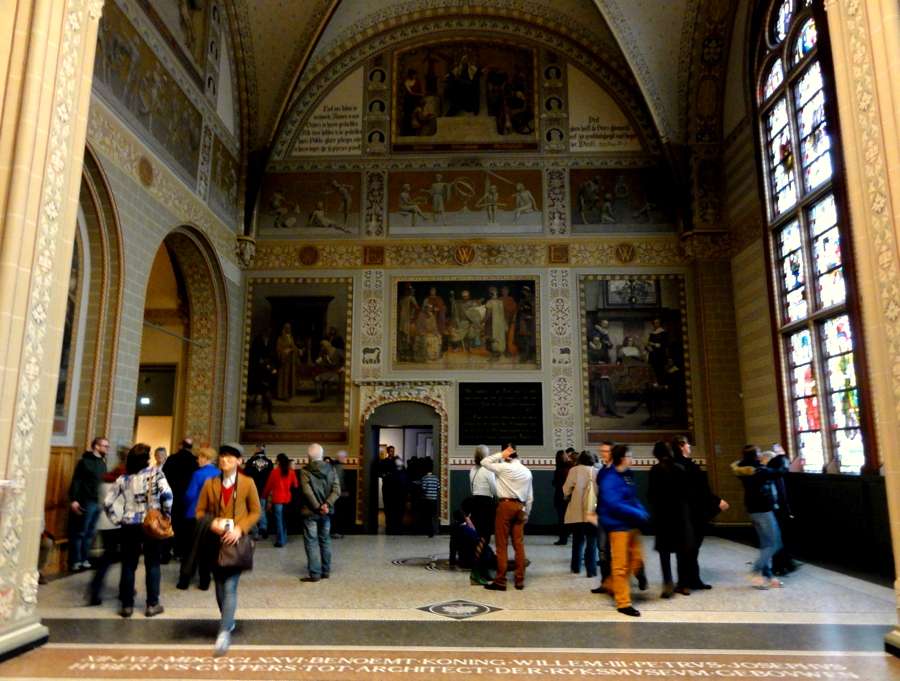
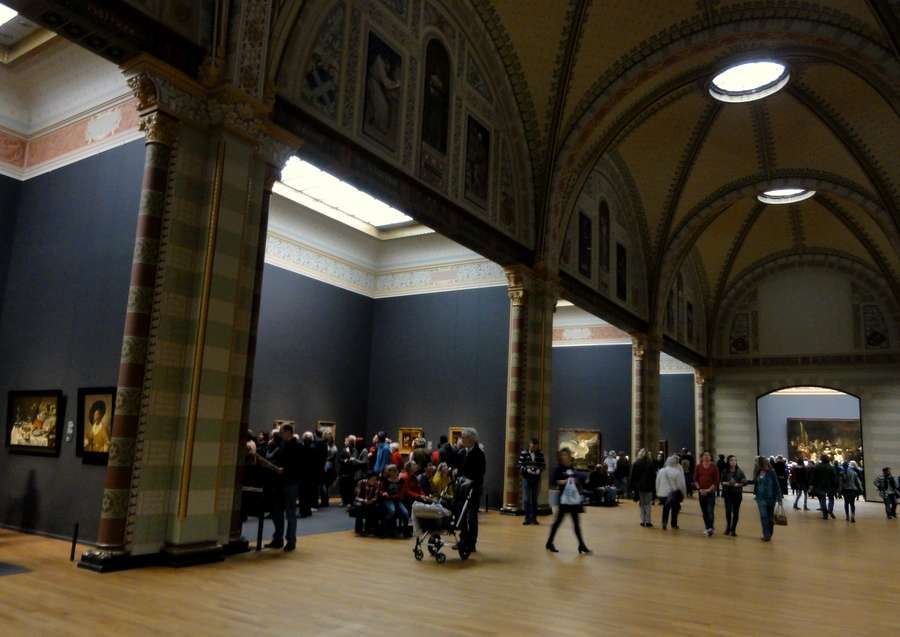
As for this entry, this is all about the pictures I took during my visit. About the museum’s modern interior in the lobby and the preserved period interiors in the various show rooms. The exquisite art pieces and the many historical work collections that I found interesting. I hope you enjoy them.
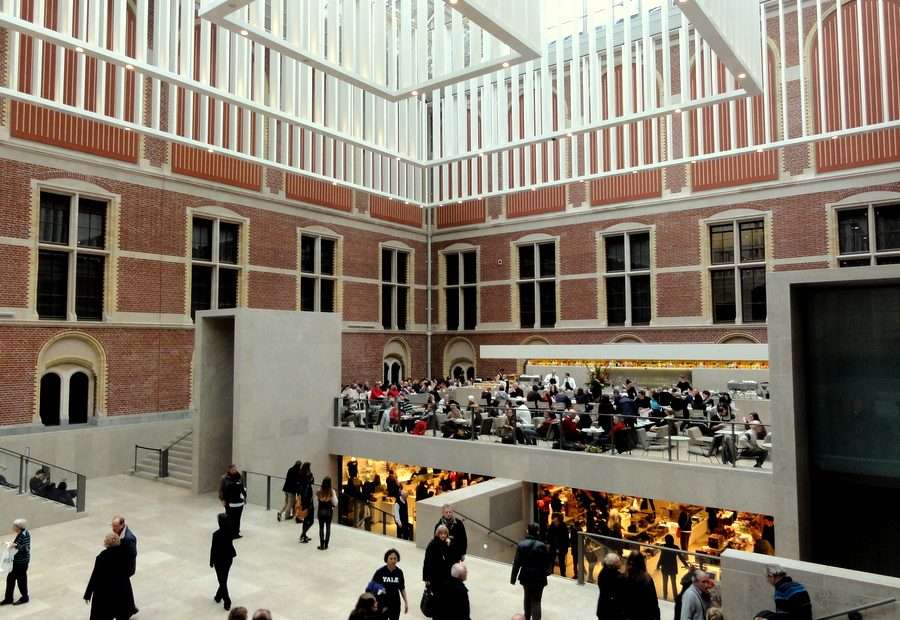
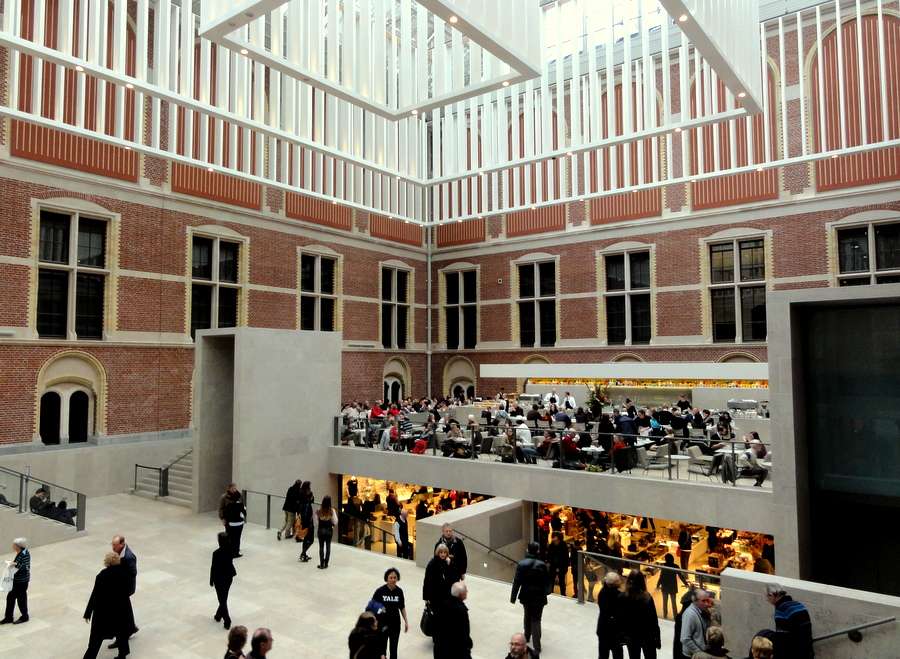
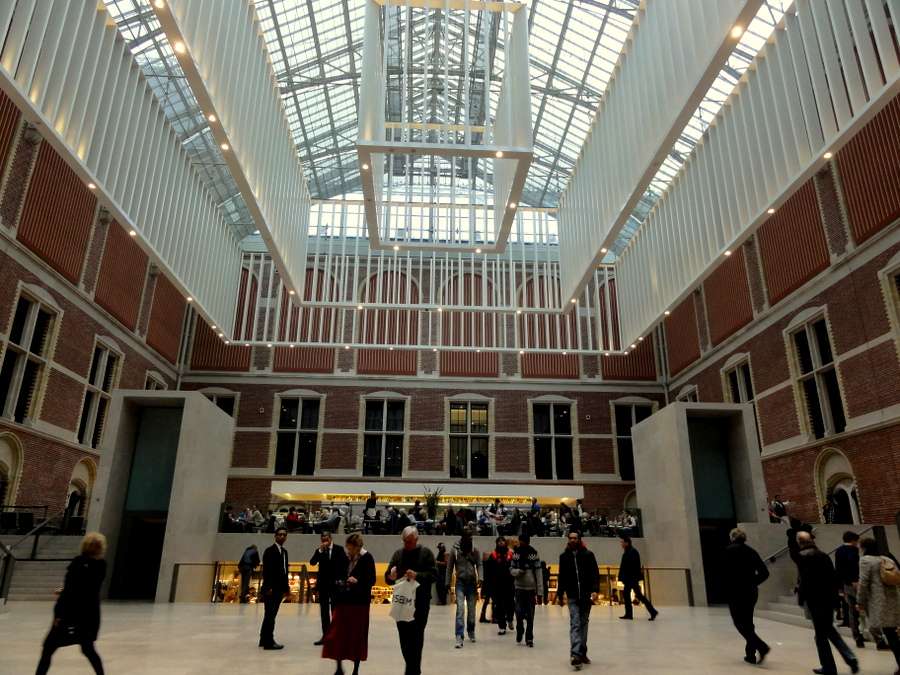
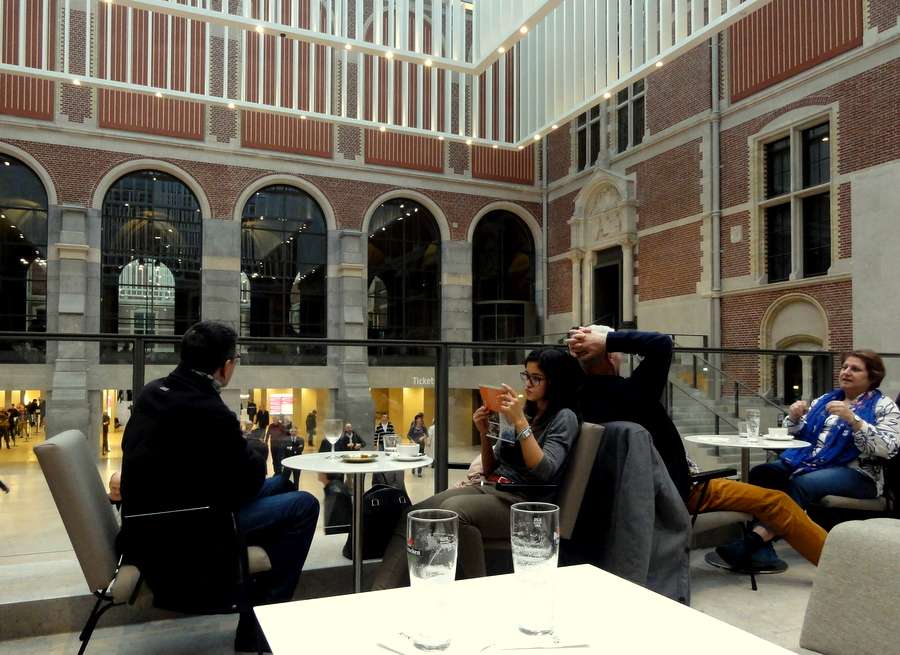
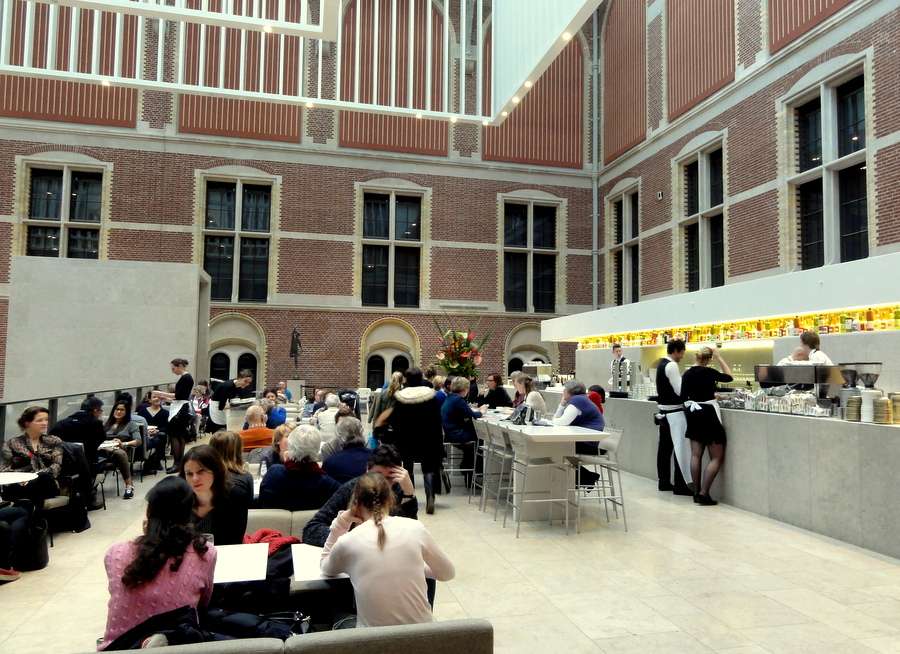
The cafe (upper) and store (lower) of the Rijksmuseum. This area is open to everyone, you do not have to have a ticket to get into this area of the museum.
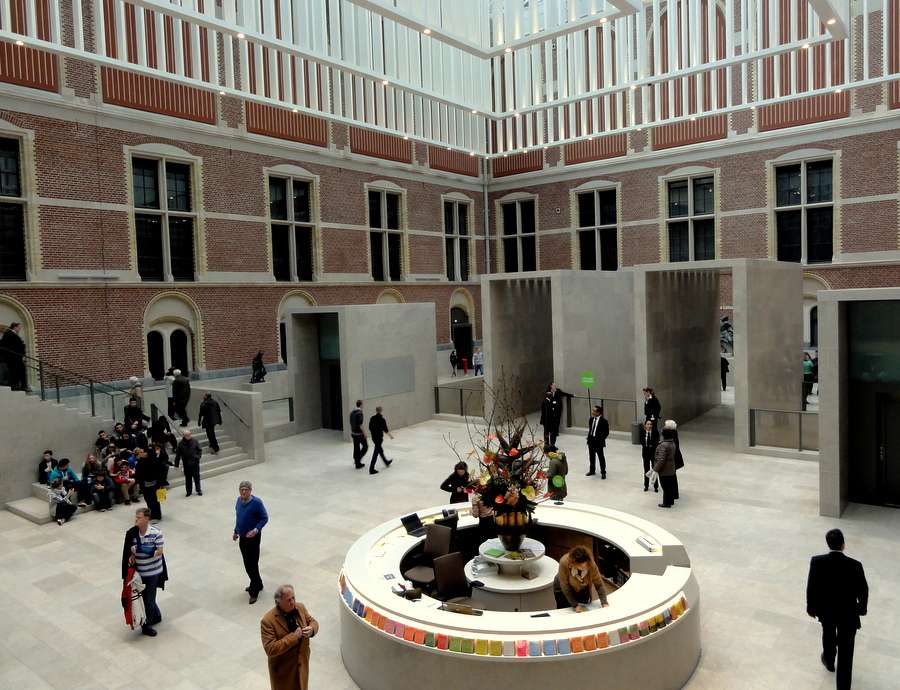
The information center of the Rijksmuseum.
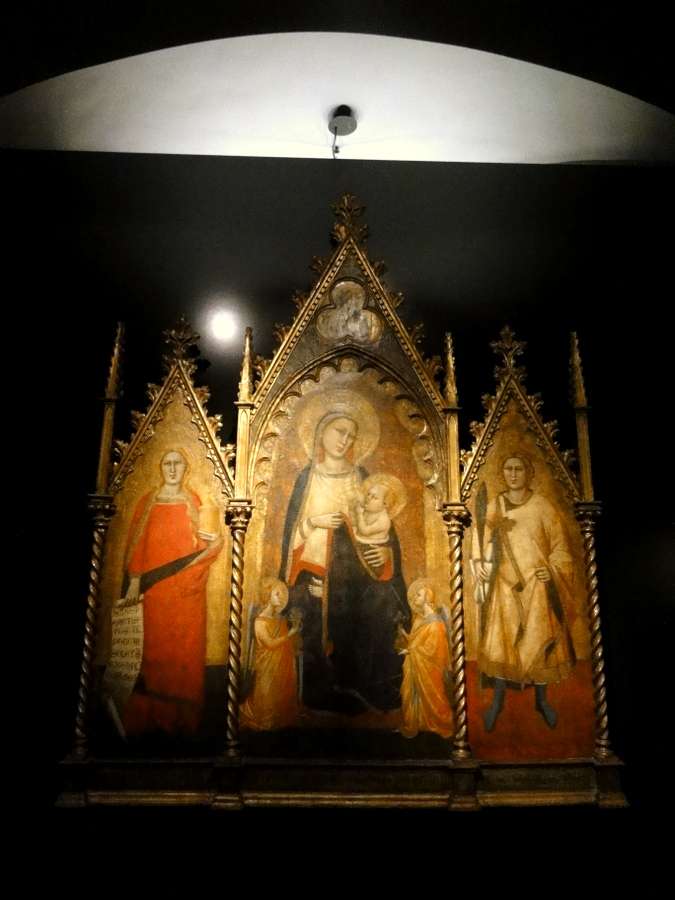
Triptych with the Virgin and Child, and Saints Mary Magdalene and Ansanus by Orcagna (Andrea di Cione), Florence 1350.
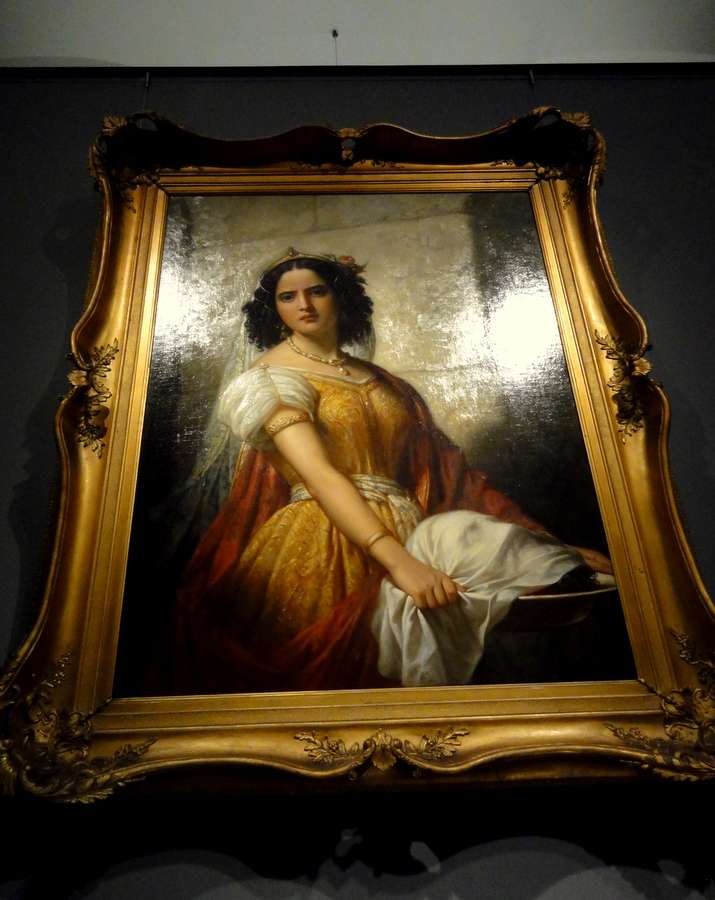
Salome with the Head of John the Baptist by Jan Adam Kruseman, 1861.
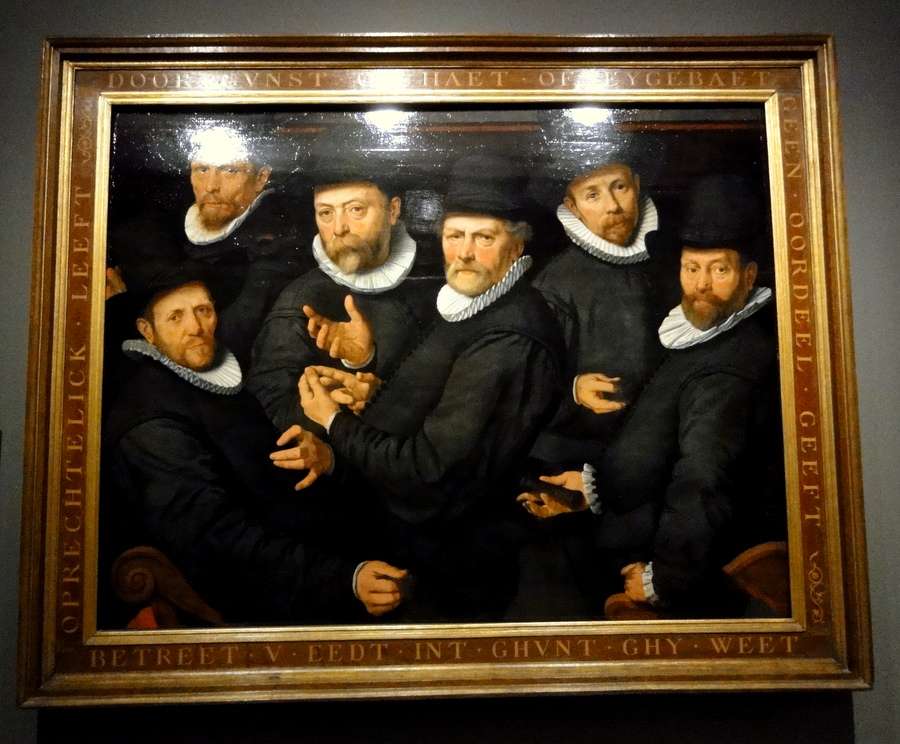
Six Wardens of the Drapers’ Guild by Pieter Pietersz, Amsterdam 1599.
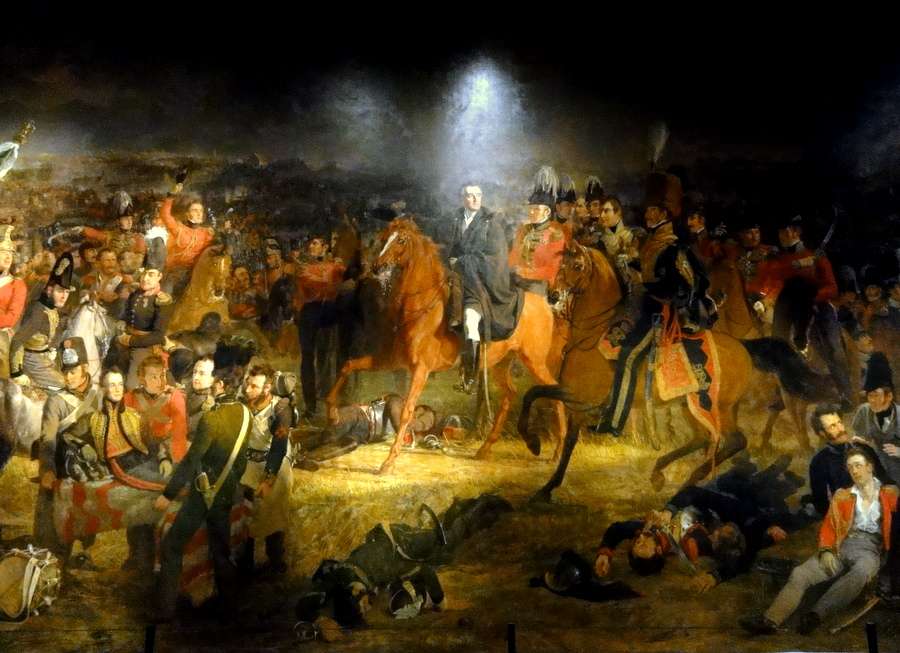
The Battle of Waterloo by Jan Willem Pieneman, 1824. Waterloo by the way is in Belgium.
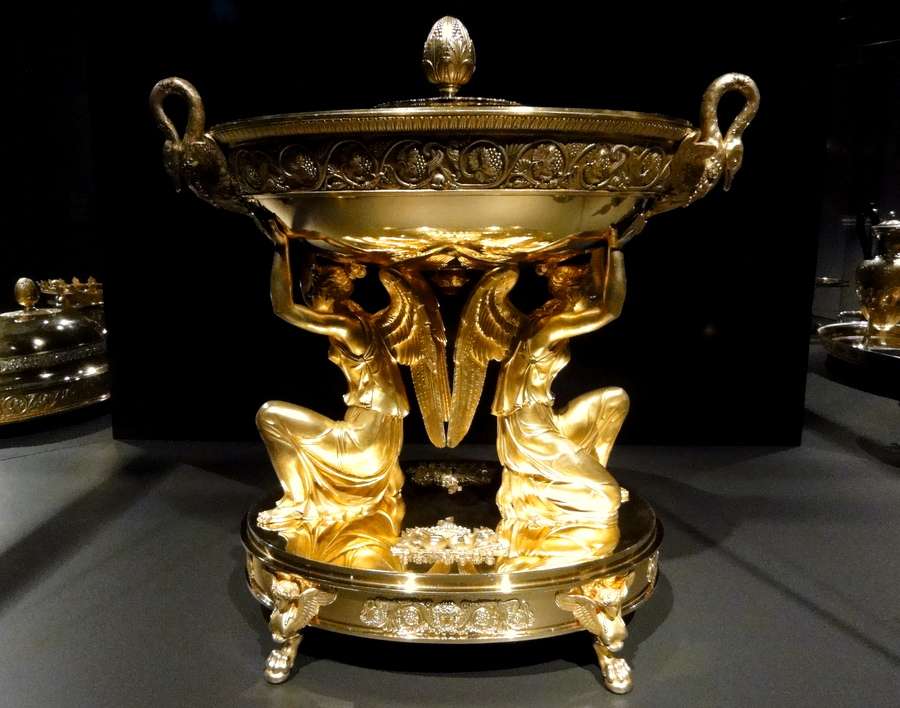
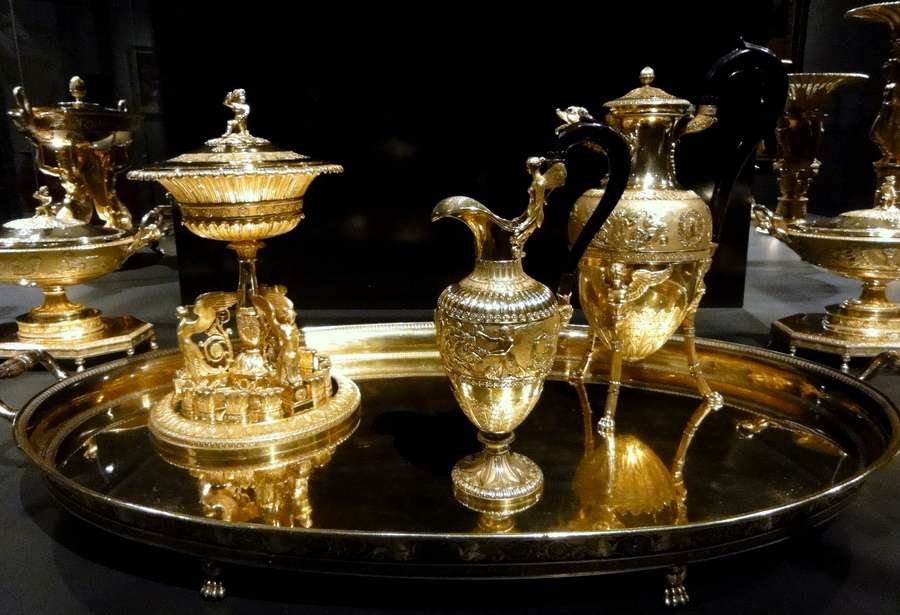
Cloches (dish covers), coolers, soup tureens, sauceboats, salt cellars, pepper and mustard pots by Jean Baptiste Claude Odiot, Paris 1819.
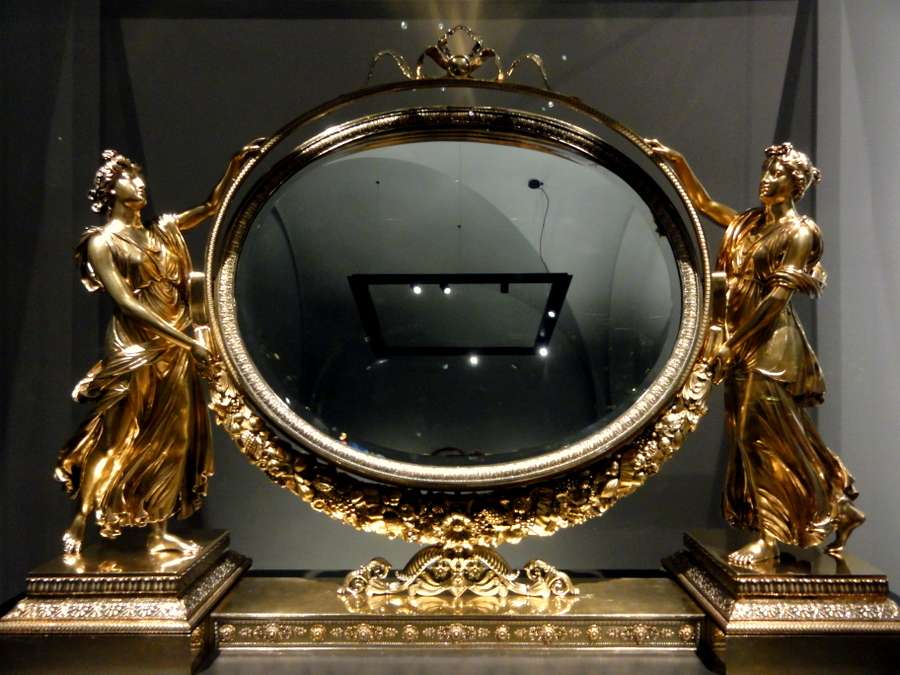
Toilet mirror by Jospeh Germain Dutalis and Louis Royer, Brussels 1828-1829.
Tea tray, cake stands, jam dish, sugar bowls, coffee pot and milk jug by Martin Guillaume, Paris 1817, and designed by Charles Percier.
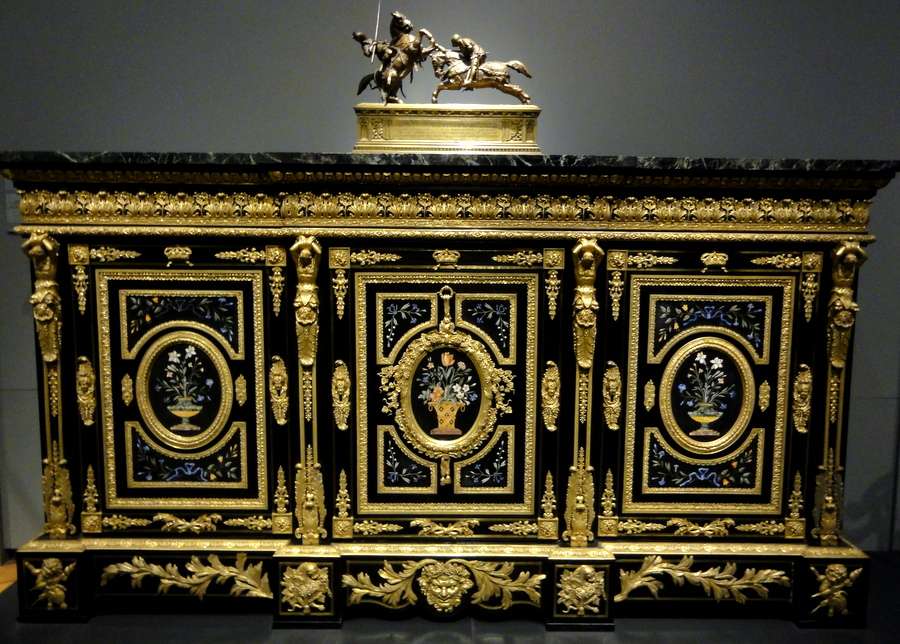
Three-door cabinet, Paris 1835-1838. This cabinet was once owned by King William II.
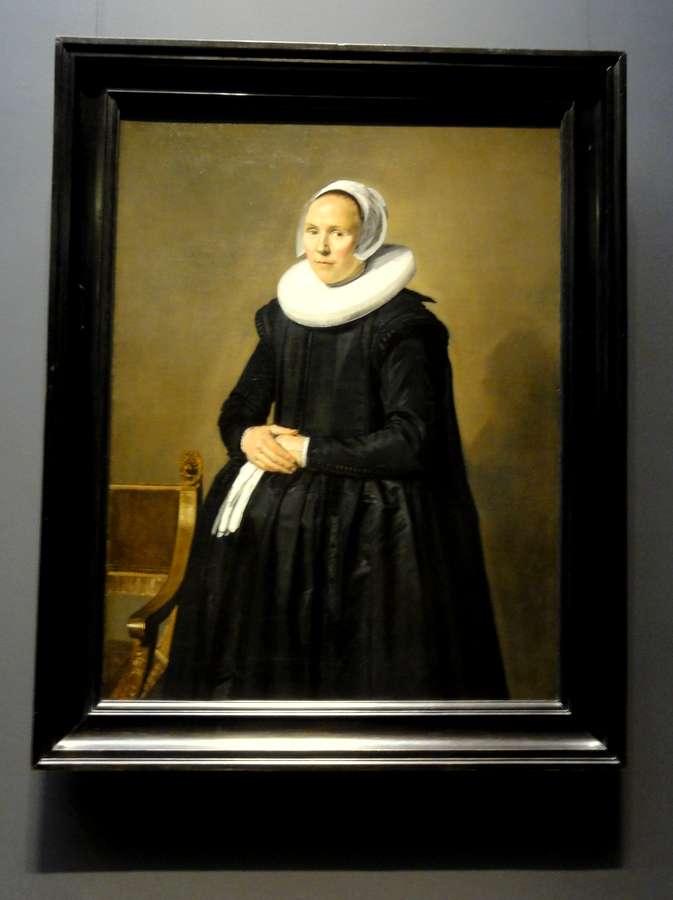
Portrait of Feyntje van Steenkiste by Frans Hals, 1635.
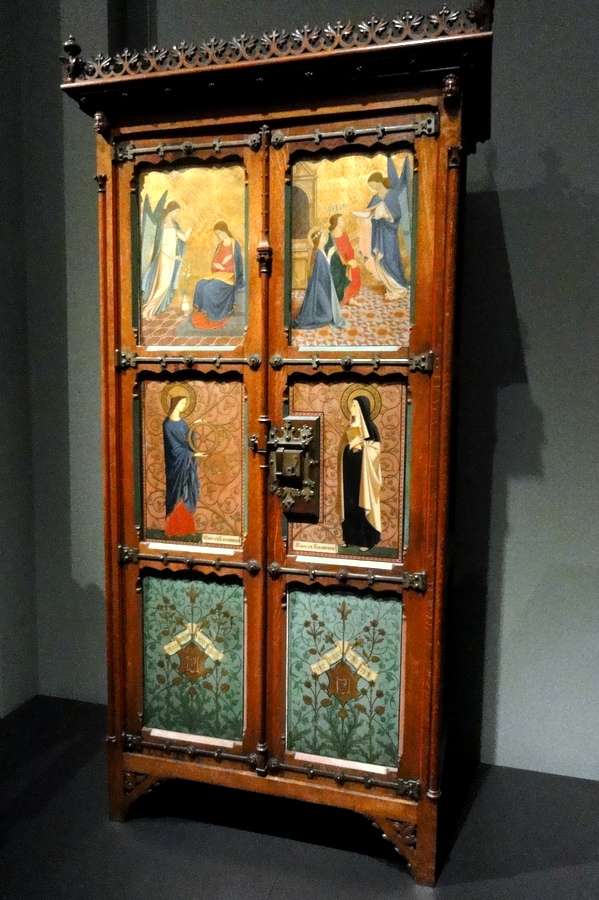
Music cabinet and piano with a relic of St. Cecilia, Roermond (Netherlands) by Pierre Joseph Hubert Cuypers, 1827. Pierre Cuypers is the architect who designed the Rijksmuseum as well.
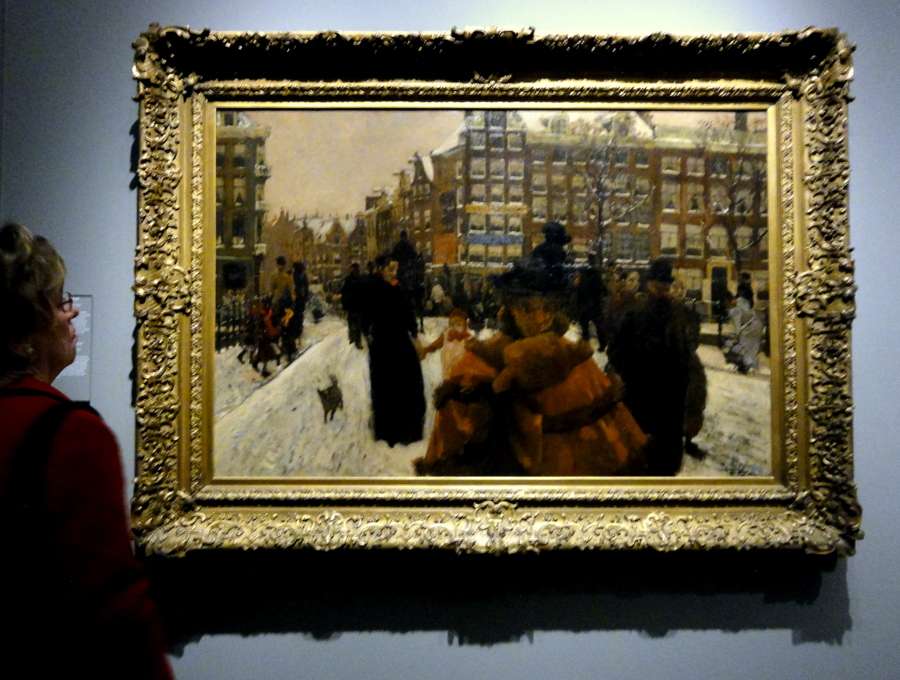
The Singel Bridge at the Paleistraat in Amsterdam by George Hendrik Bretiner, 1857-1923.
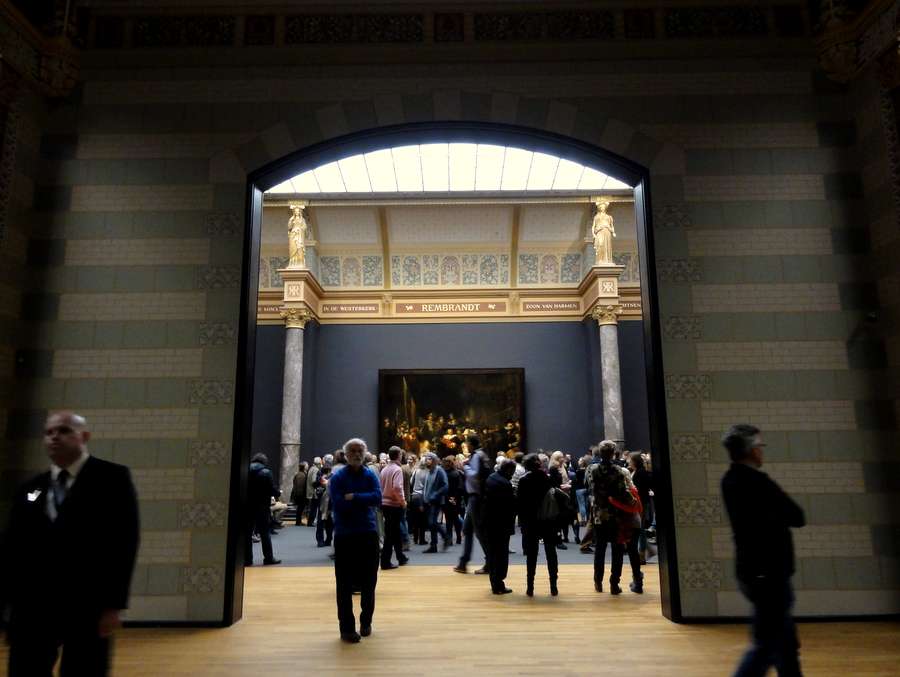
The hallway in the Dutch Masters exhibit area.
The Milkmaid by Johannes Vermeer, 1660. Vermeer is one of the renowned Dutch masters.
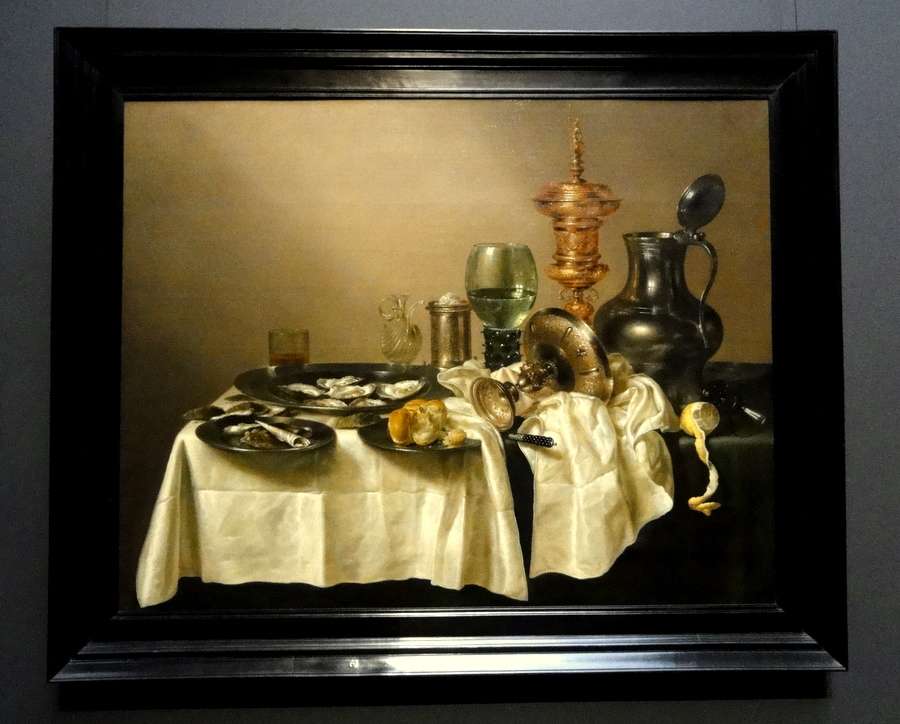
Still Life with a Gilt Cup by Willem Claesz Heda, 1635.
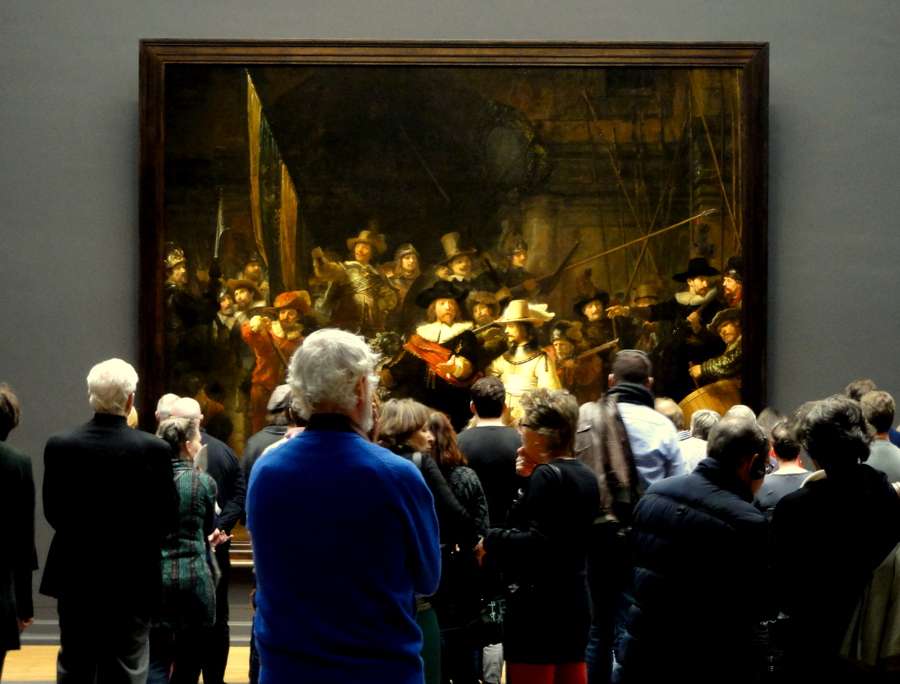
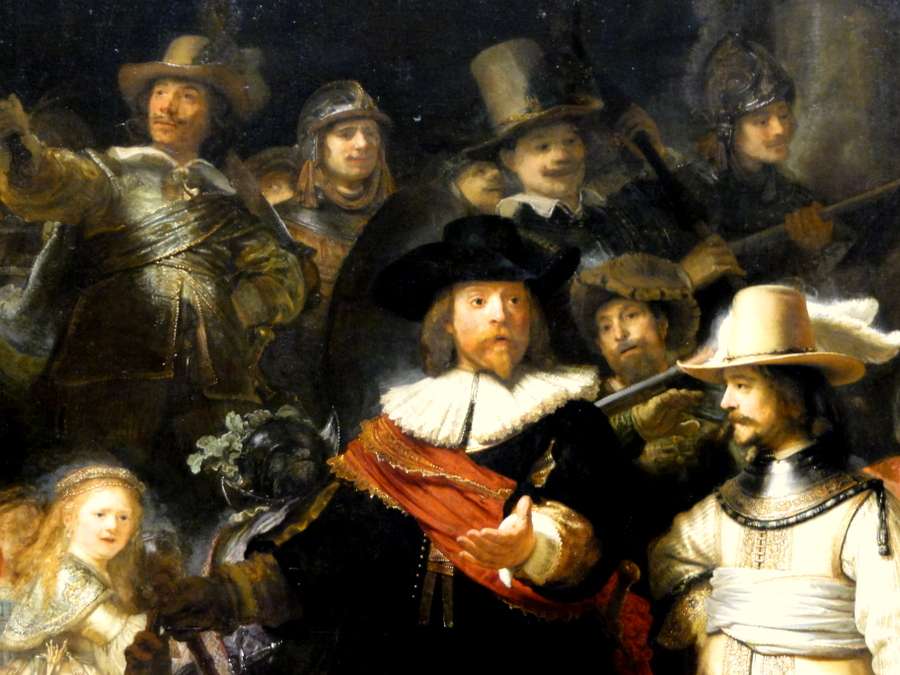
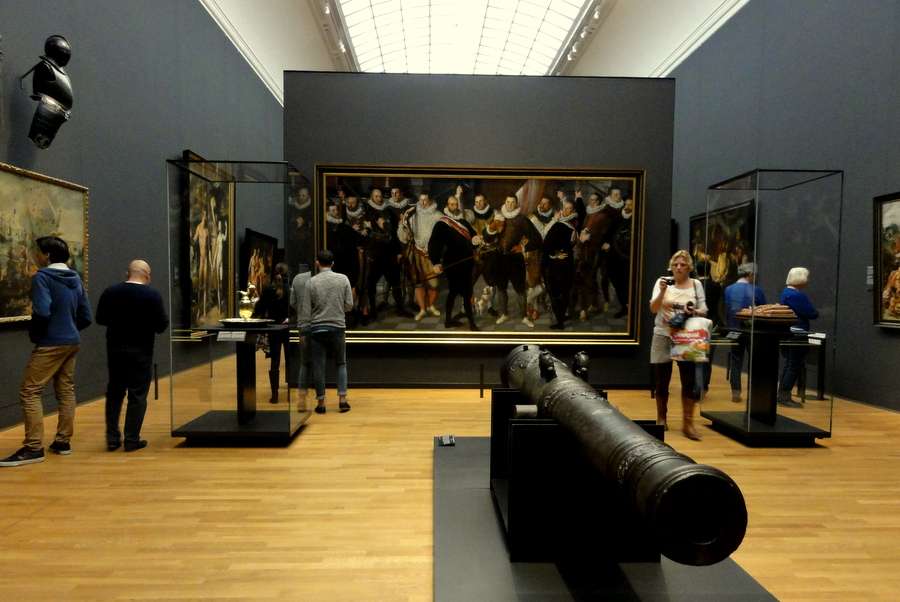
Night Watch (1642), Rembrandt’s masterpiece is the main star of the Dutch master’s area. The Night Watch is a painting of Amsterdam’s militiamen, the city’s civic guard.
Captain Frans Banninck Cocq (in black) giving orders to the militiamen and Lieutenant Willem van Ruytenburch (in white).
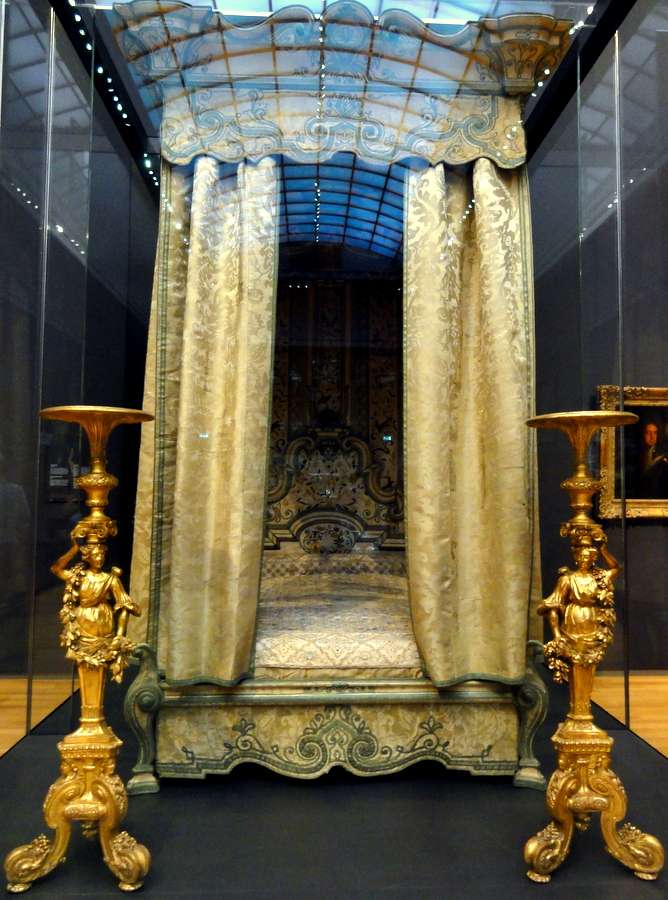
Four-poster bed, Netherlands, 1715-1720, pinewood and oak with European and Chinese silk damask. This may have been made for Johan Werner van Pallandt and his Eerde Castle in Ommen.
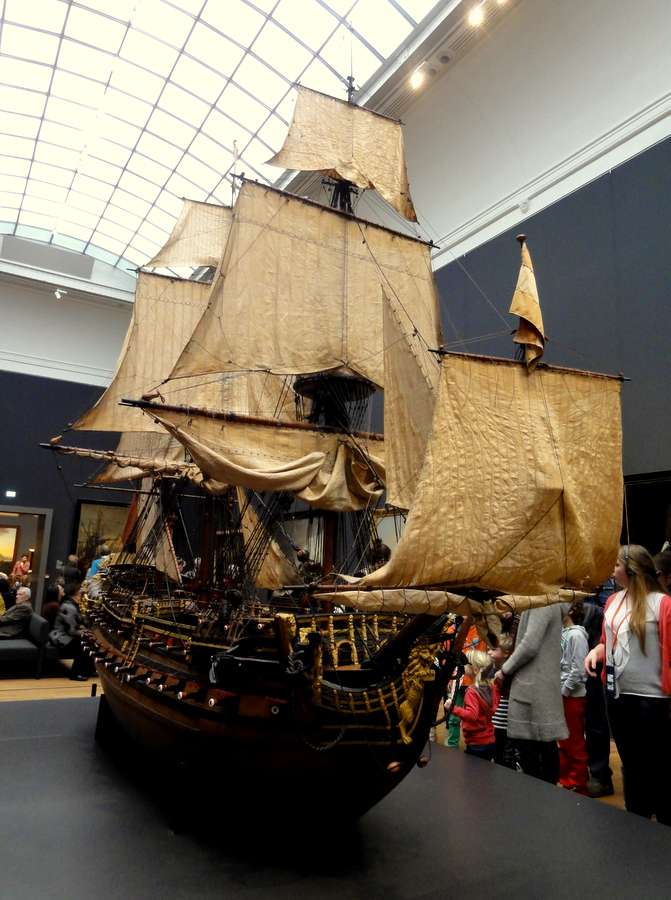
A replica of the 18th century VOC ship.
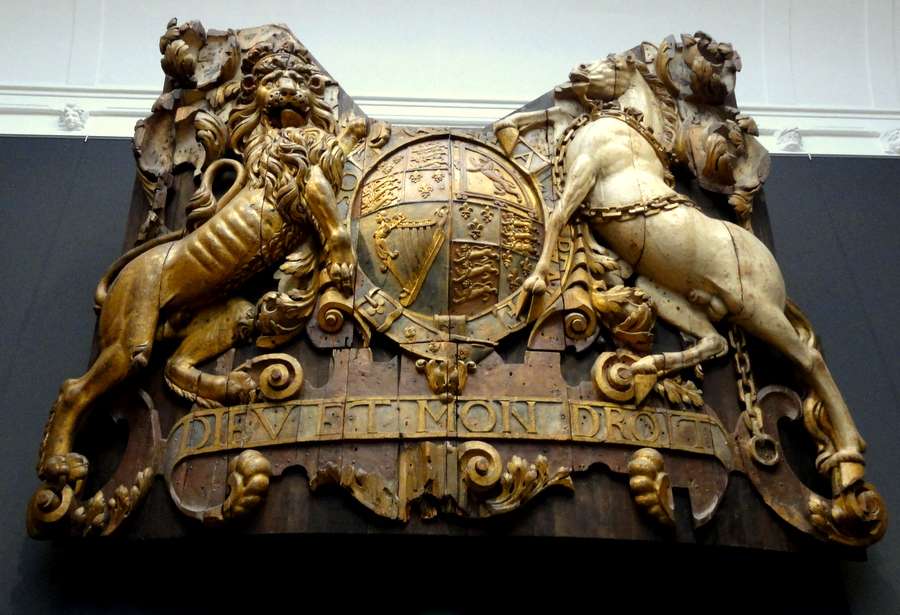
Stern carving from the Royal Charles, England, 1660. These arms of King Charles II of England once adorned the stern transsom of the English flagship, the Royal Charles. The vessel was captured by the Dutch forces in 1667.
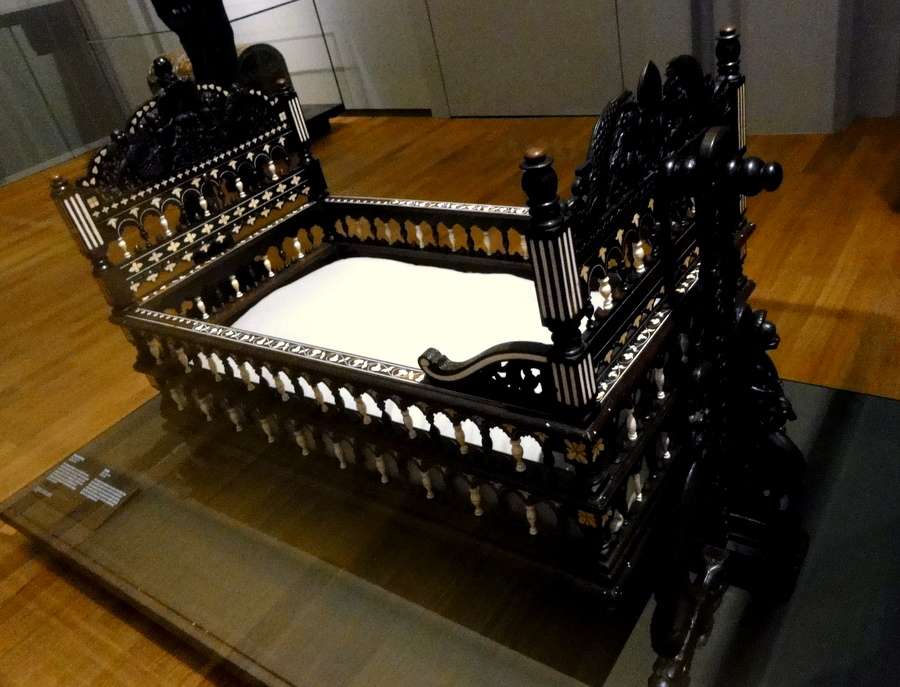
Cradle from India, 1650-1700 and made of ebony and ivory.
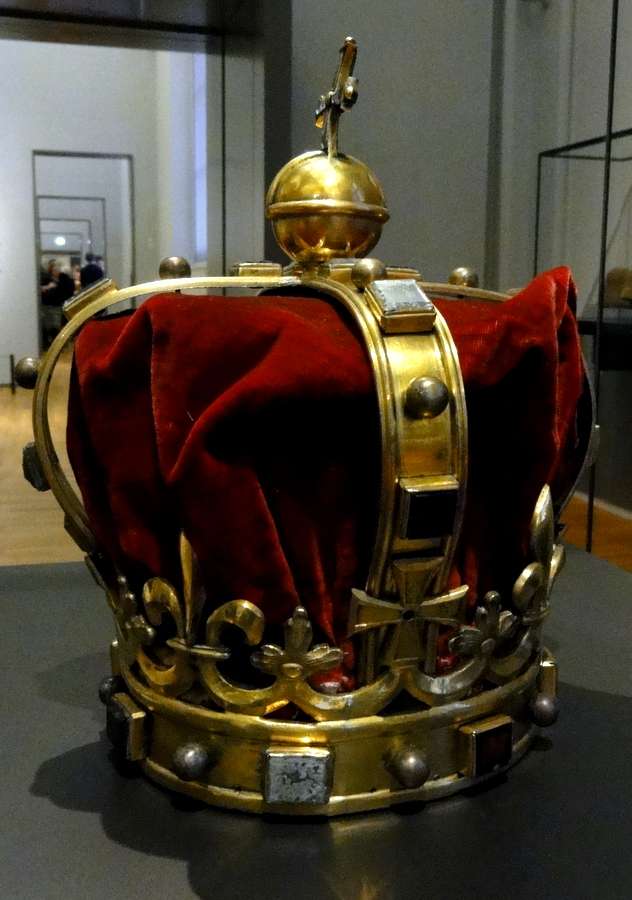
Crown for the King of Ardra, England, 1664 and made of brass, glass and velvet. While this crown is impressive to behold, it is crafted of inexpensive materials. It was meant to be a gift from the English to the King of Ardra on the west coast of Africa. The English hoped to foster trade relations. The crown, however, never reached the kingl it was seized by Admiral Michiel de Ruyter while on a mission to expel the English from the Dutch fortresses on the African coast.
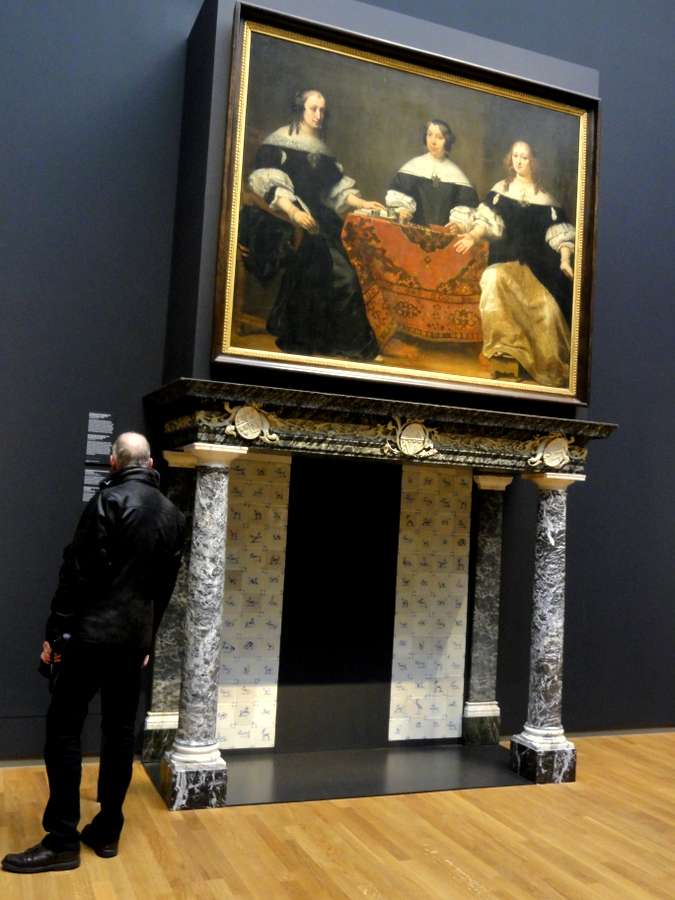
Portrait of the Three Regentesses of the Leprozenhuis in Amsterdam by Ferdinand Bol, 1668. Chimney piece from the Leprozenhuis (The Lepers’ Asylum), Amsterdam, 1668.
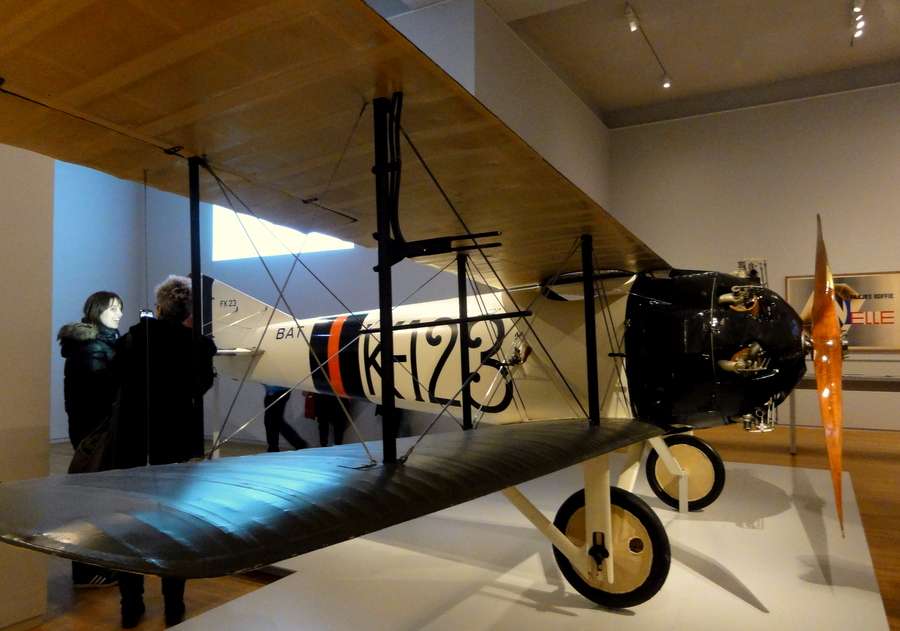
Passenger seat for the Fokker F.XII and F.XVIII manufactured by H.P. Mutters & Zoon, 1930-1933. KLM flew this plane from Amsterdam to Batavia (now modern day Indonesia) in 1930. The route took 10 days.
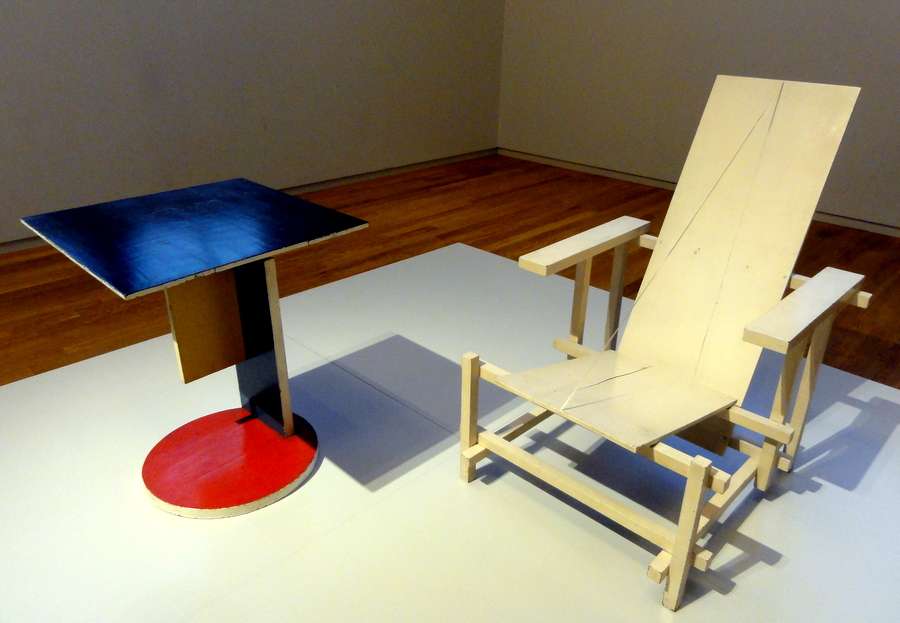
Table and Armchair for Til Brugman by Gerrit Rietveld, 1919. The famous Rietveld armchair.
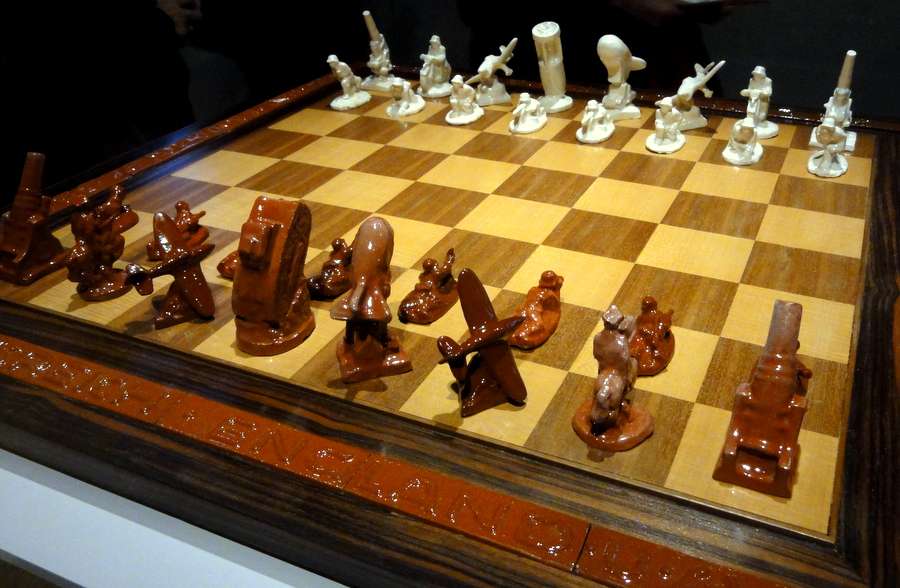
Nazi chess set, Porzellanmanufacktur Allach, 1940. The text on the chess border lists the countries Germany had attacked in 1939 and 1940.
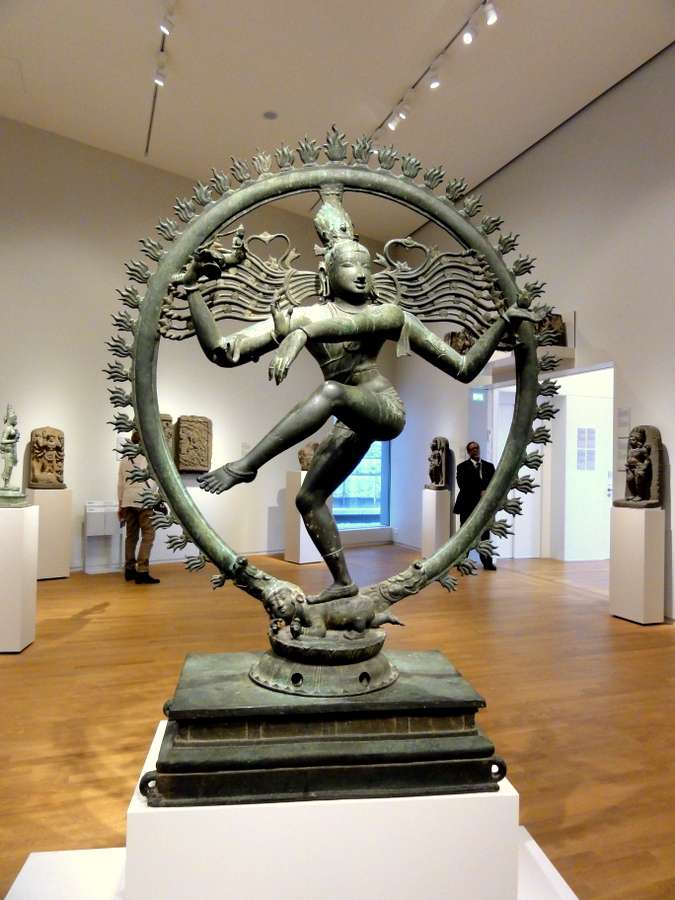
Shiva Nataraja, India, Tamil Nadu, 12 century and made of bronze.
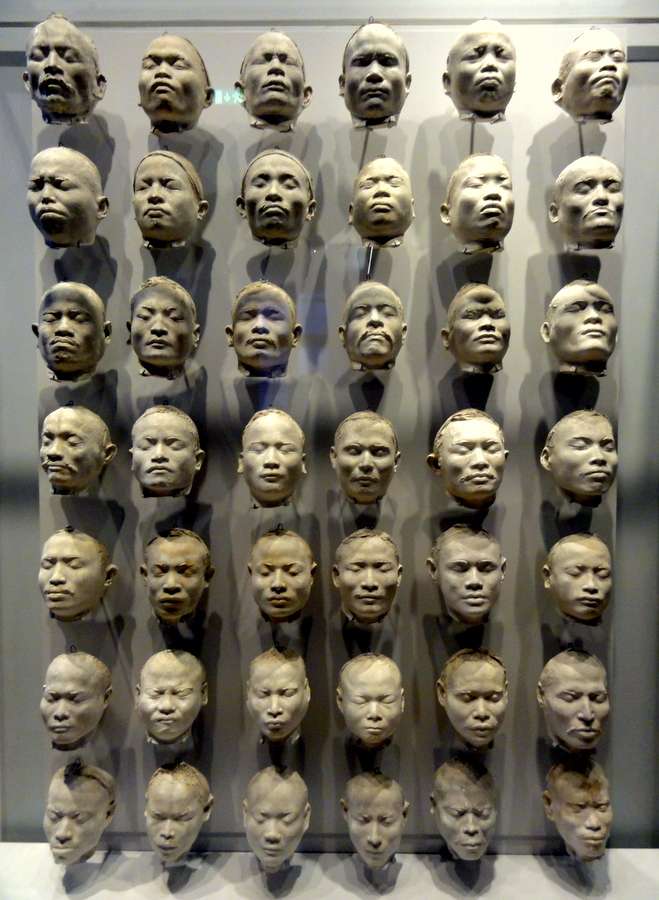
Facial casts of Nias islanders, 1910 (Dutch East Indies, now present-day Indonesia).
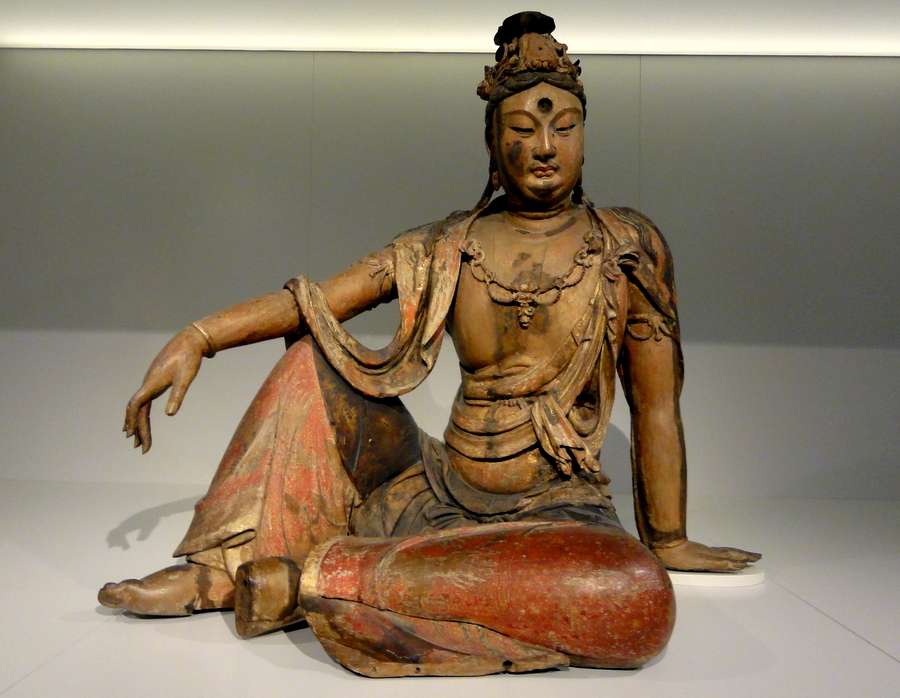
The Buddhist deity, Guanyin, China, Shanxi, 12th century.
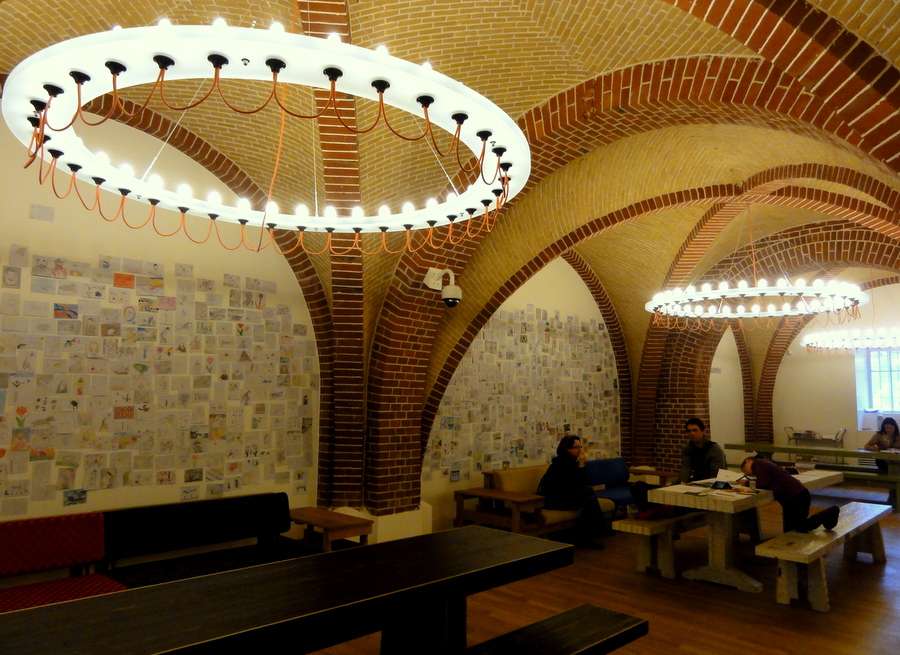
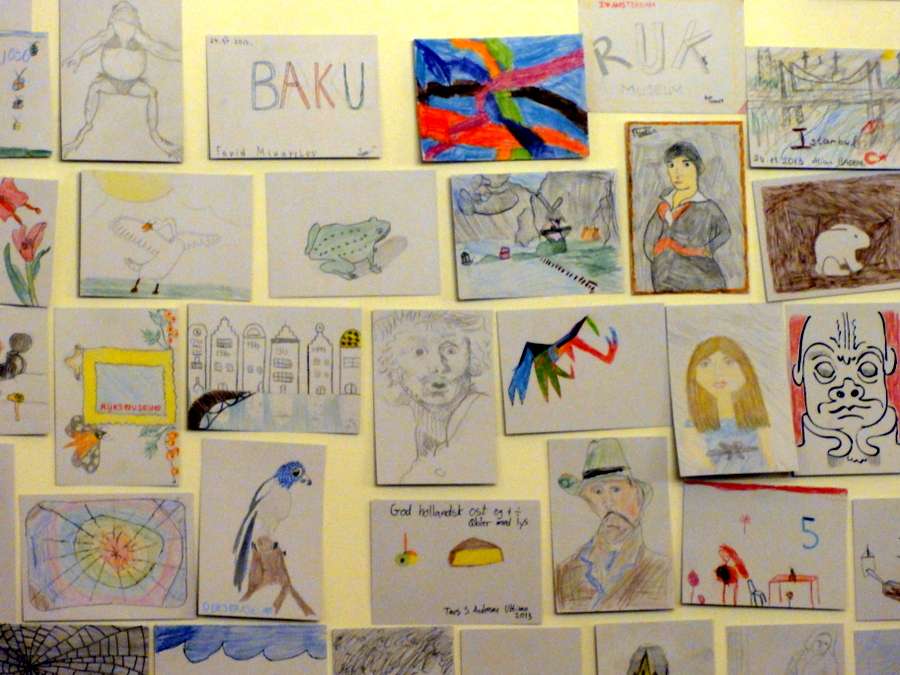
A vaulted area for children to draw and paint.
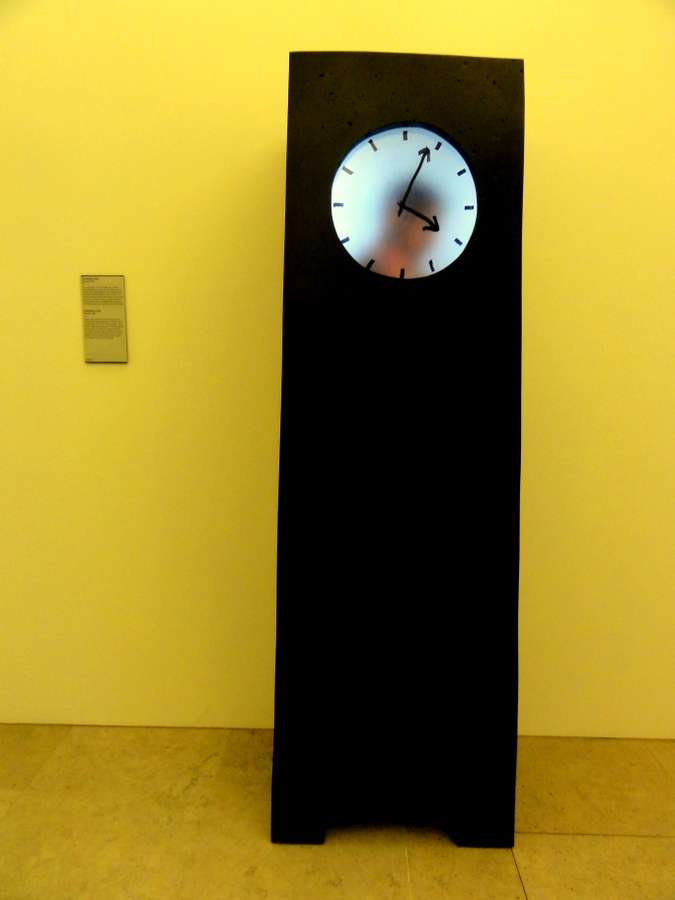
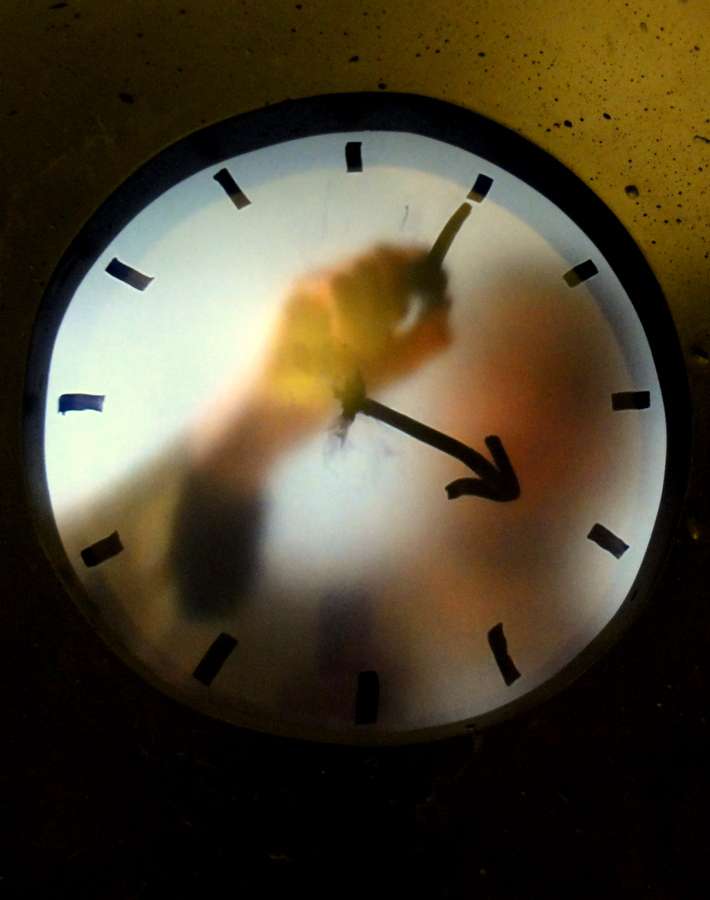
Grandfather Clock by Maarten Baas, 2008. Brilliant design!
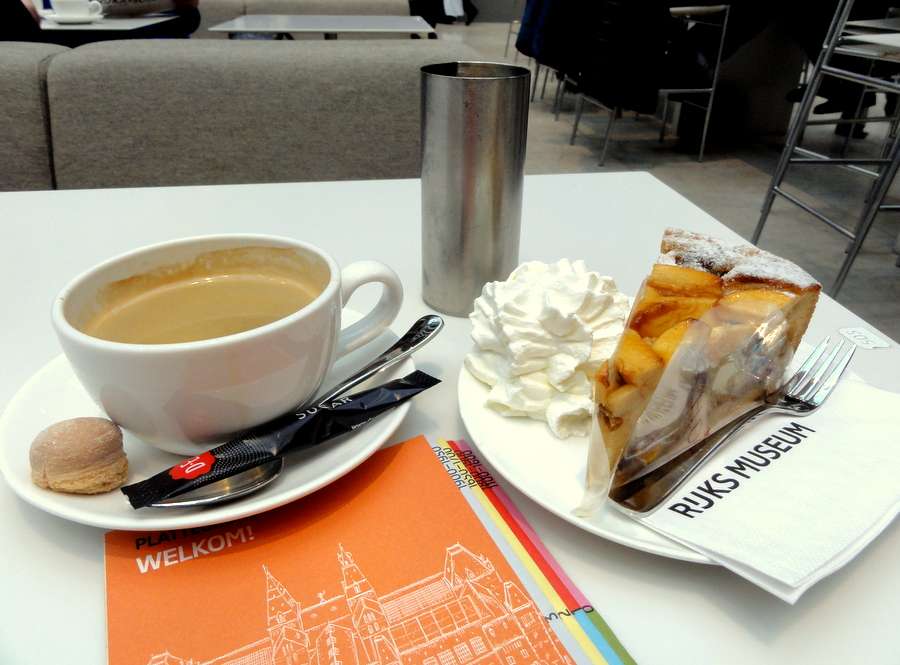
Naturally a needed break after the intensive museum visit.
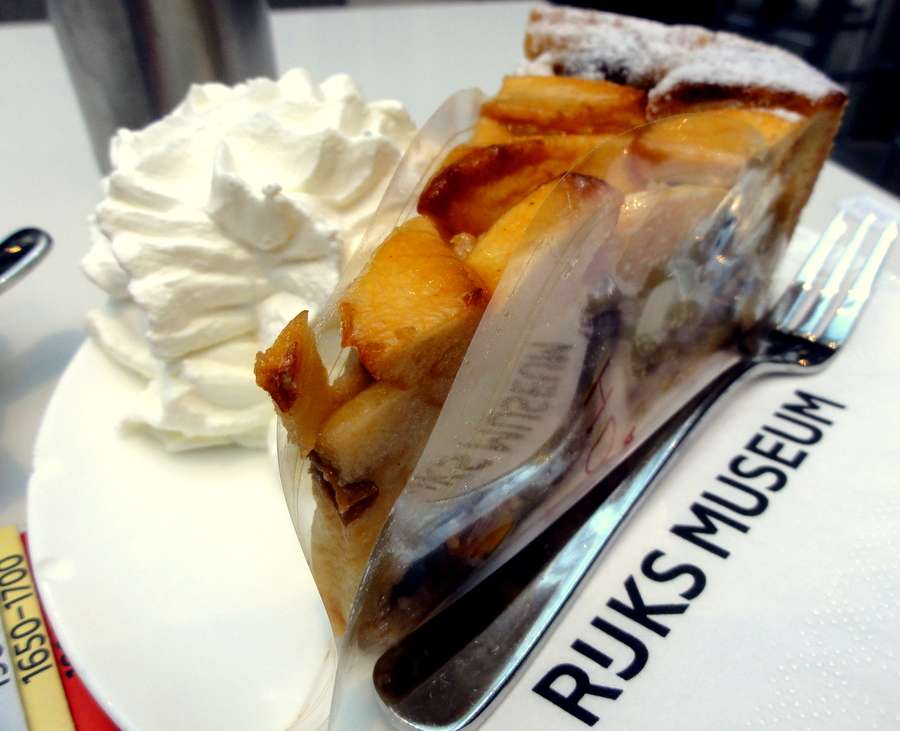
Apple tart from Holtkamp at the Rijksmuseum Cafe. Apple tarts are typically Dutch.
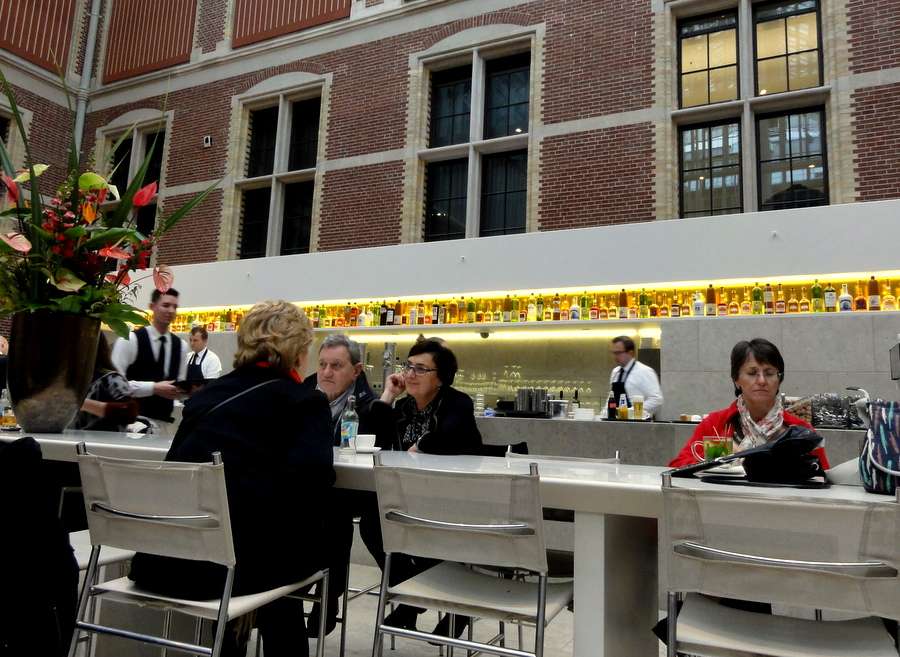
It gets busy here, and unless you stand at the bar, sometimes you have to wait to be seated.
Visit Period: February 2014
Destination: Amsterdam South (Amsterdam – North Holland), The Netherlands
Keep in touch and follow me on Facebook: Travel & Lifestyle Diaries by Dutched Pinay Travels
Happy Travels! Enjoy Life =)