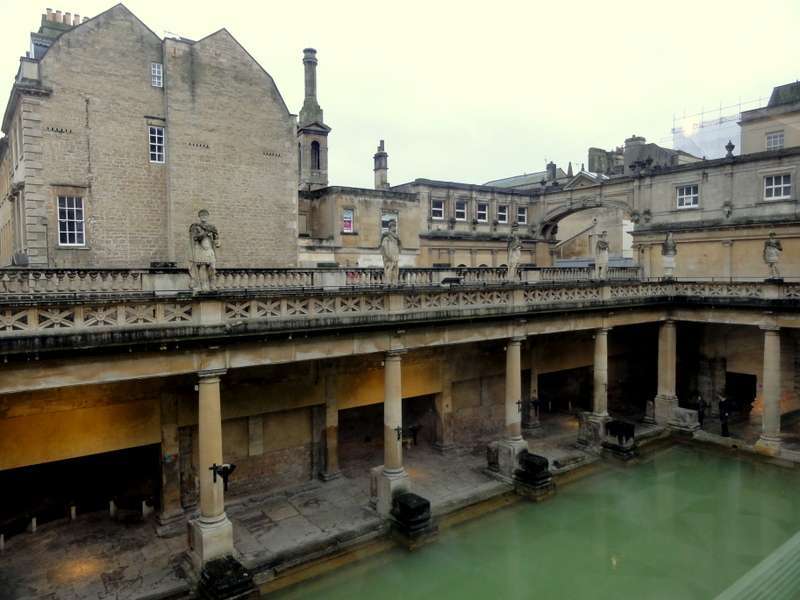
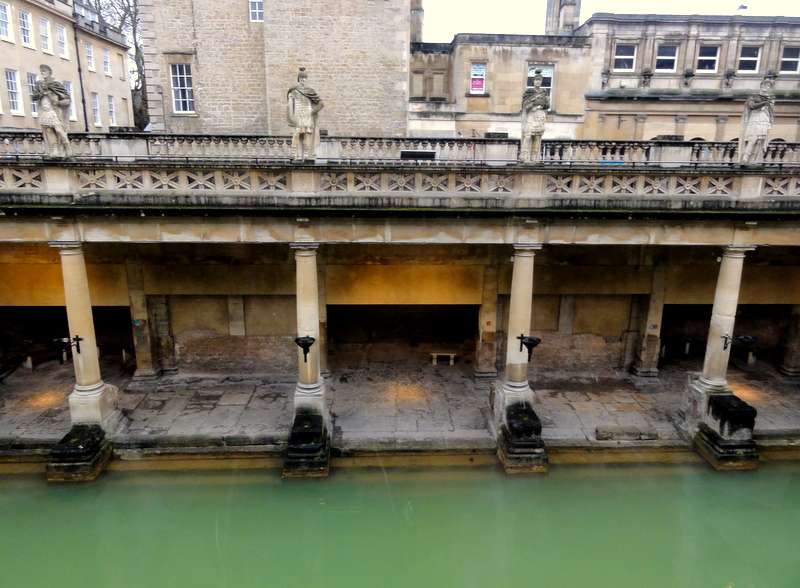
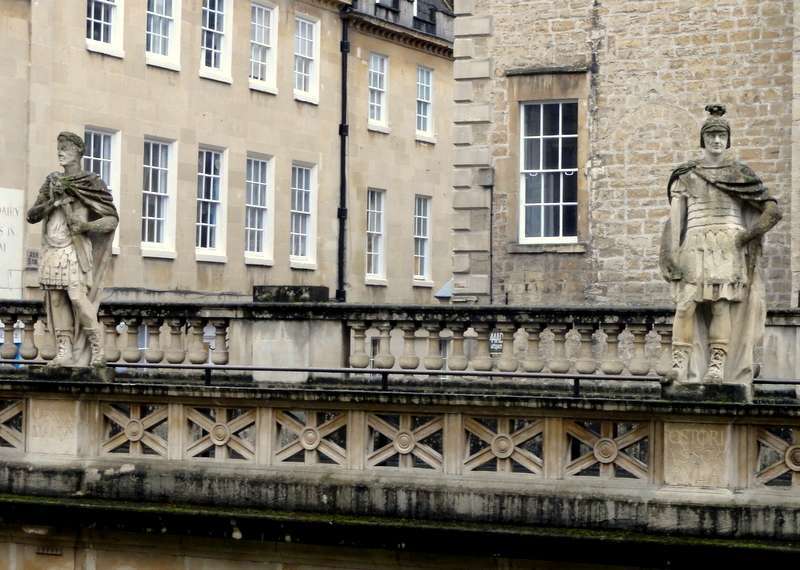
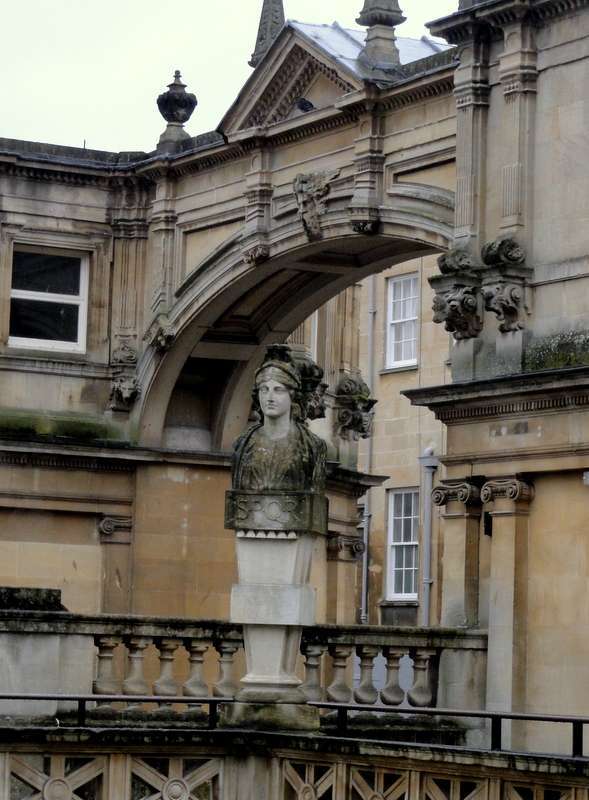
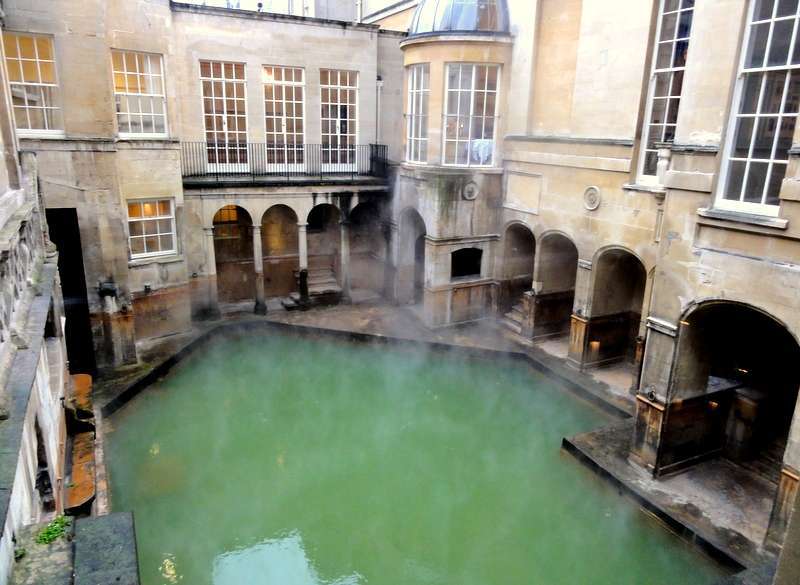
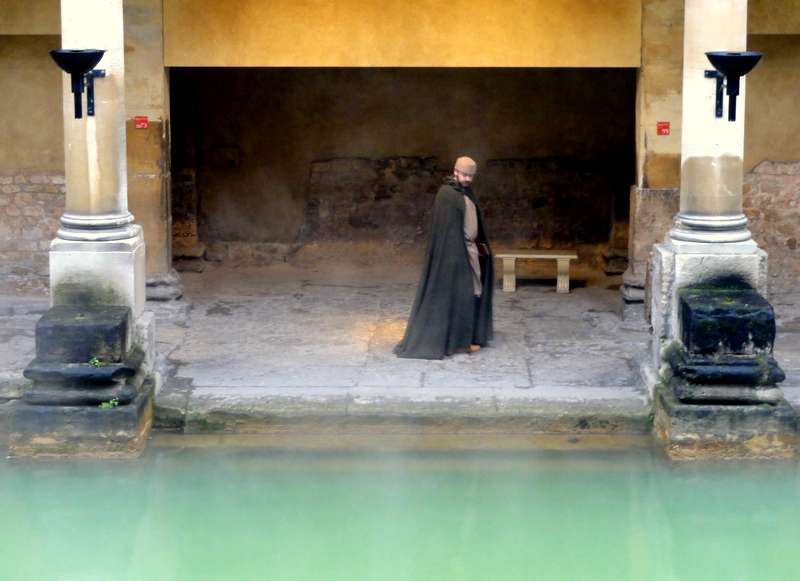
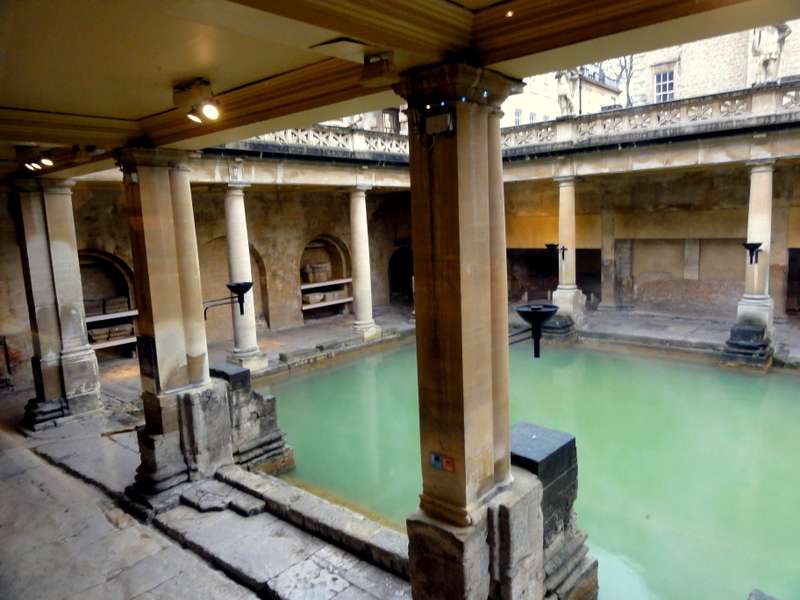
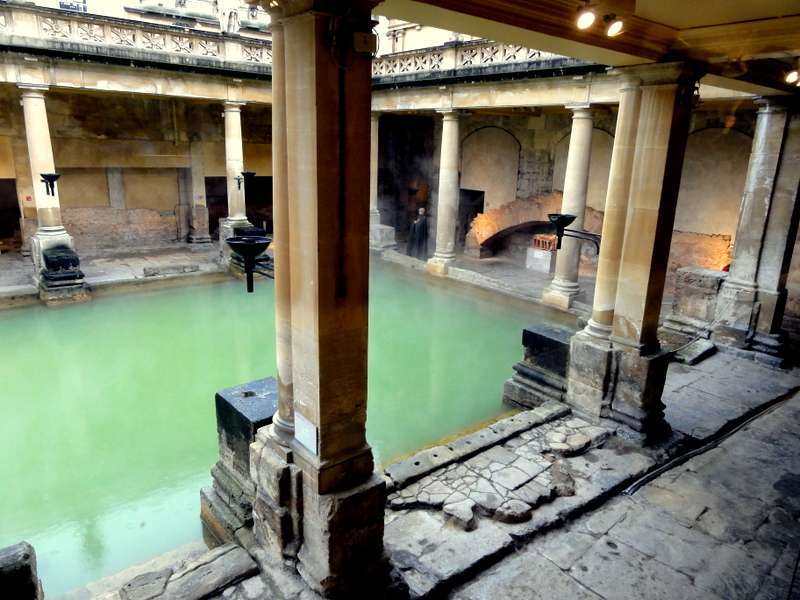
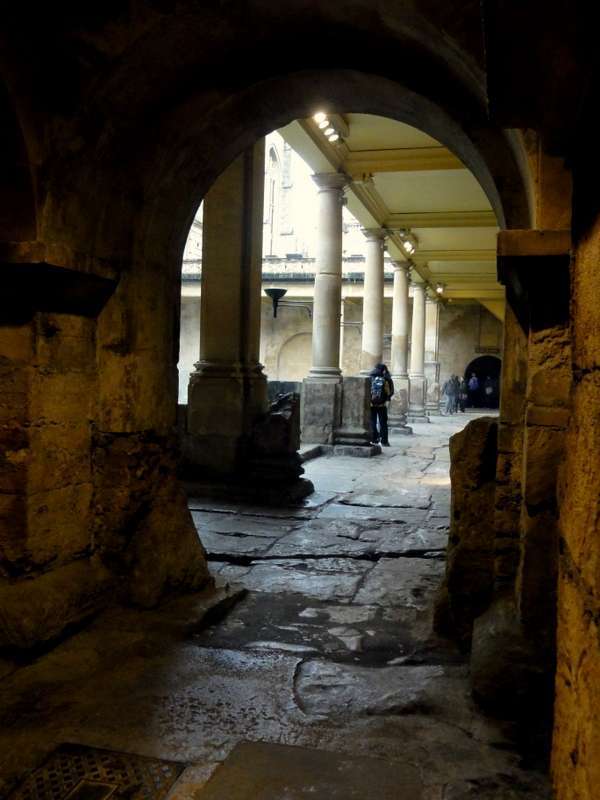
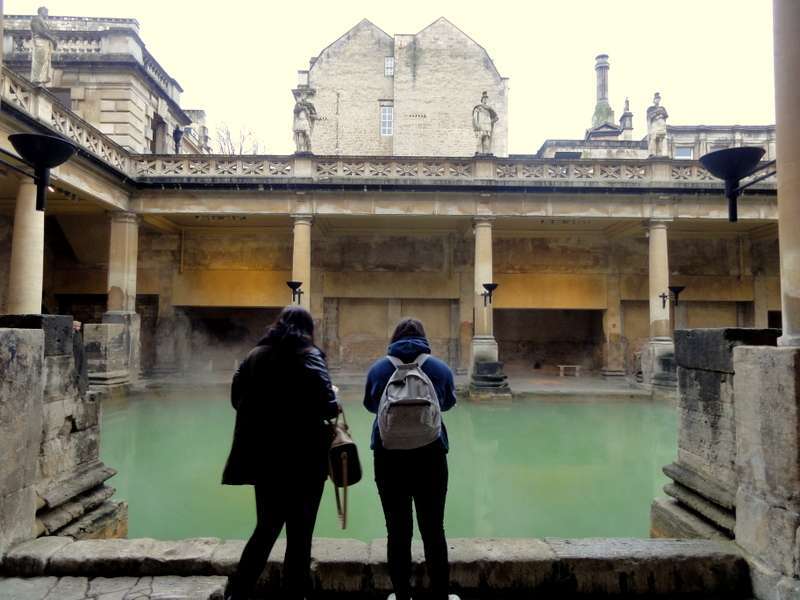
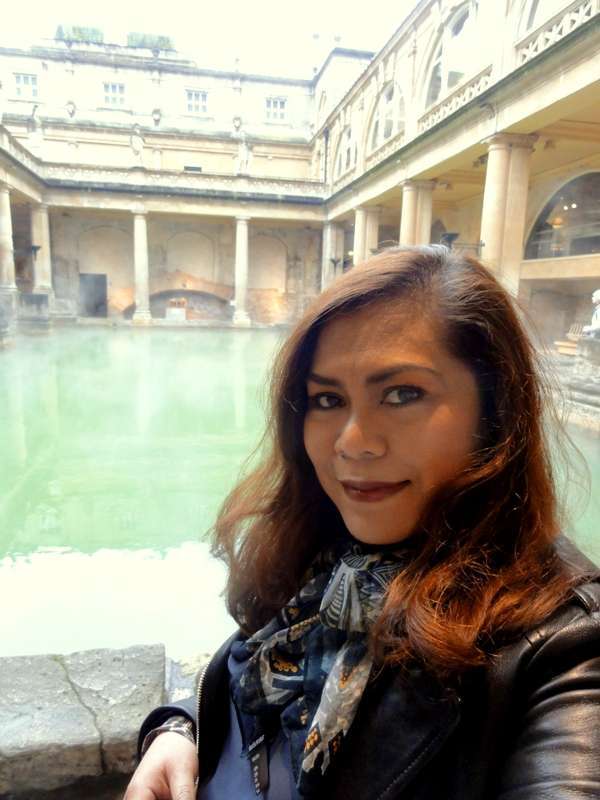
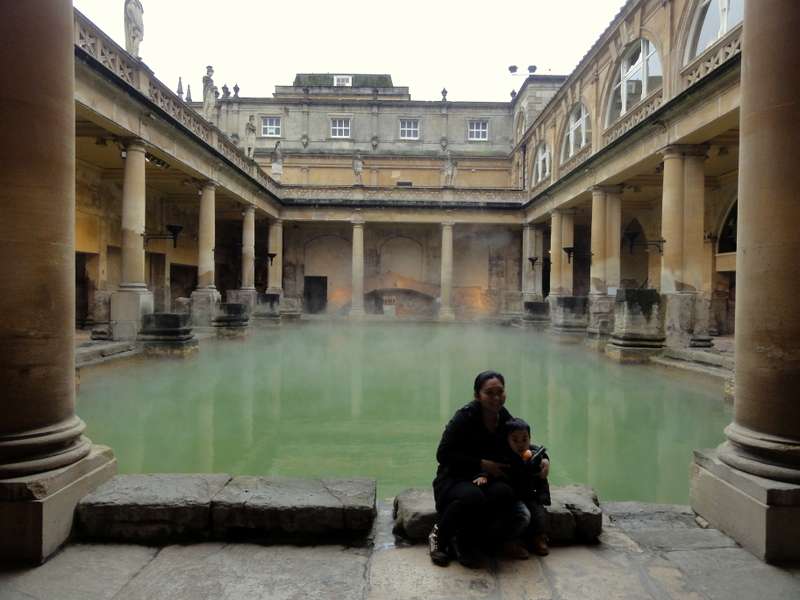
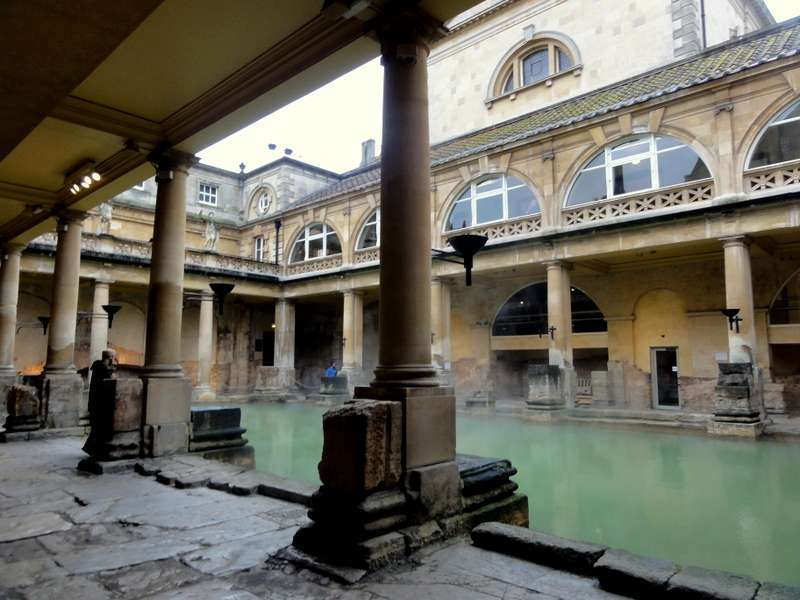
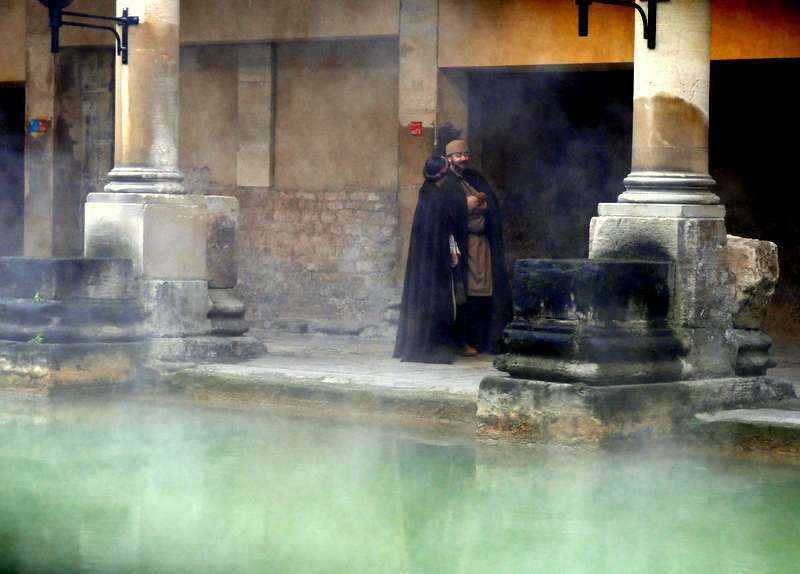
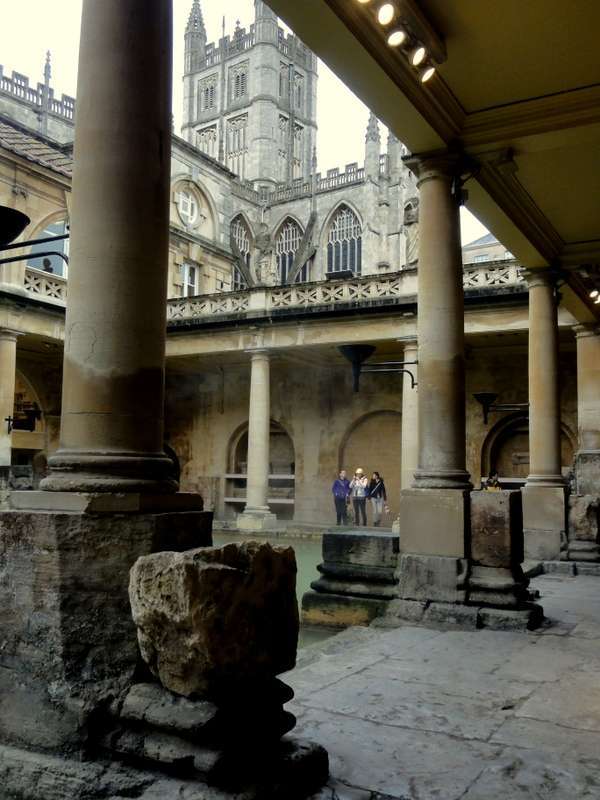
Perhaps the highlight of my visit in the UNESCO world heritage city of Bath: the ancient Roman Baths. The city is named after the hot spring that Bath is known for.
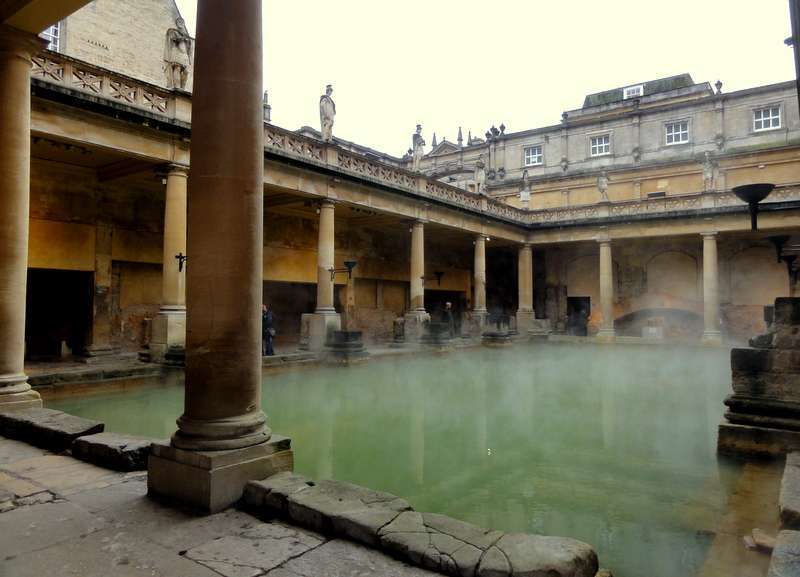
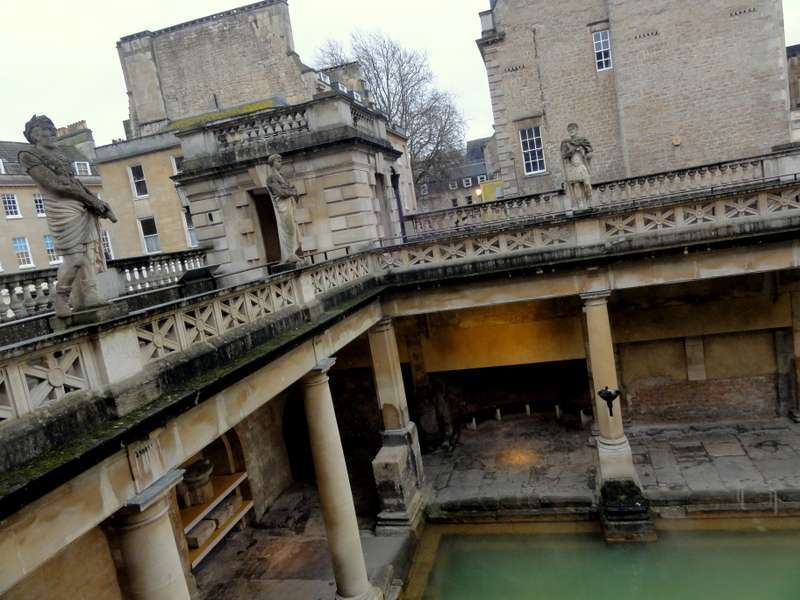
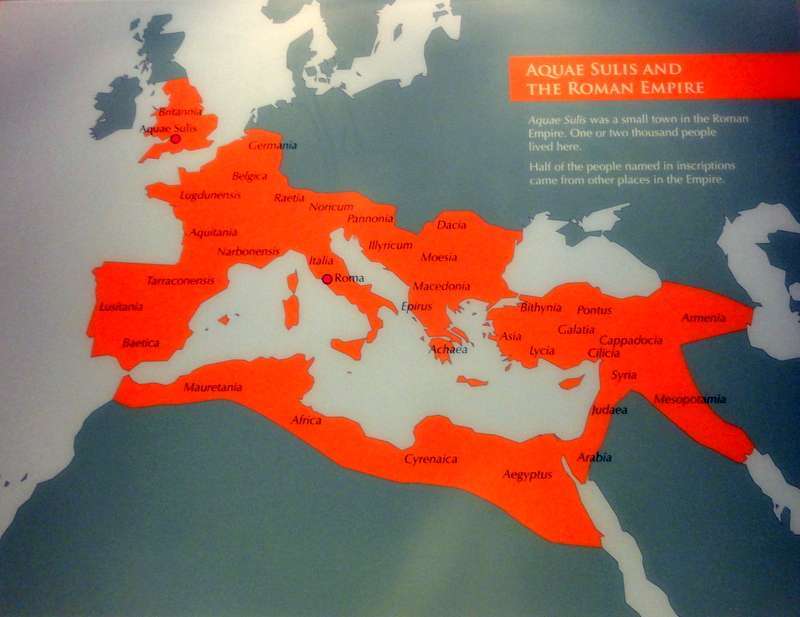
Trivia: Did you know that during the Roman times, the town of Bath was called Aquae Sulis (the water of Sulis)?
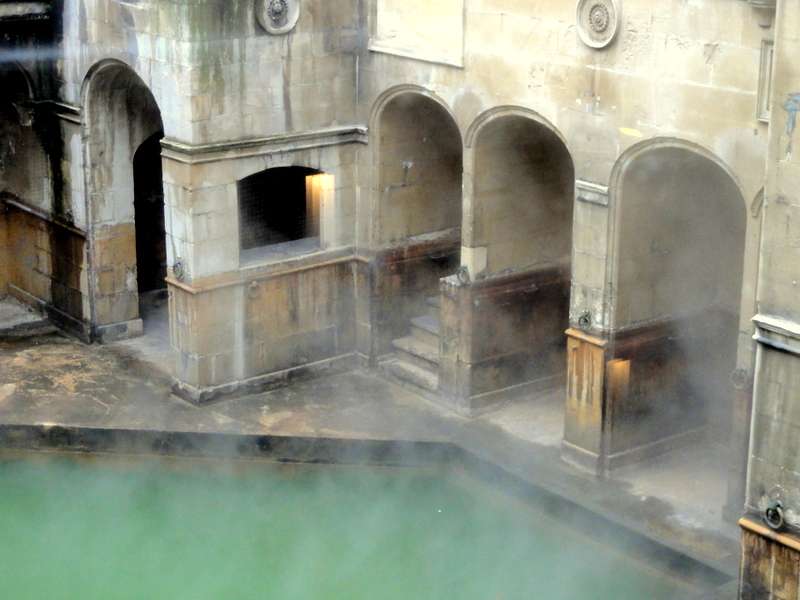
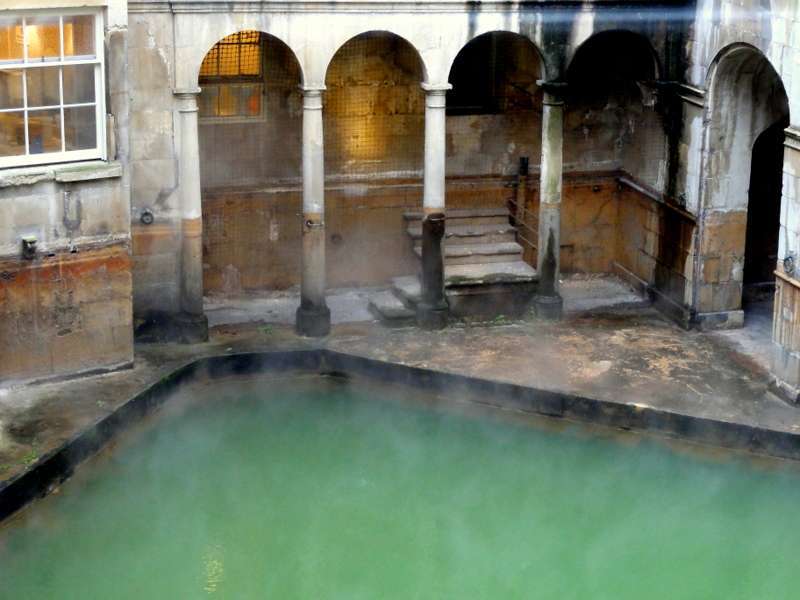
Not many people know about this, unless they are perhaps locals and have visited the Roman Baths Museum that the geothermal spring is still existing today. This hot spring and the bath pools are now part of the museum. They have been since preserved and the baths are not open to the public anymore.
A block further from the Roman Baths Museum on Bath Street is the Thermae Bath Spa with steam rooms and a luxurious pool on the rooftop for those looking for some hot spa indulgence.
I spent 2.5 hours here on a greyish morning which had a bad effect on my pictures. Helaas. You cannot trust the weather here in England (or in the Netherlands).
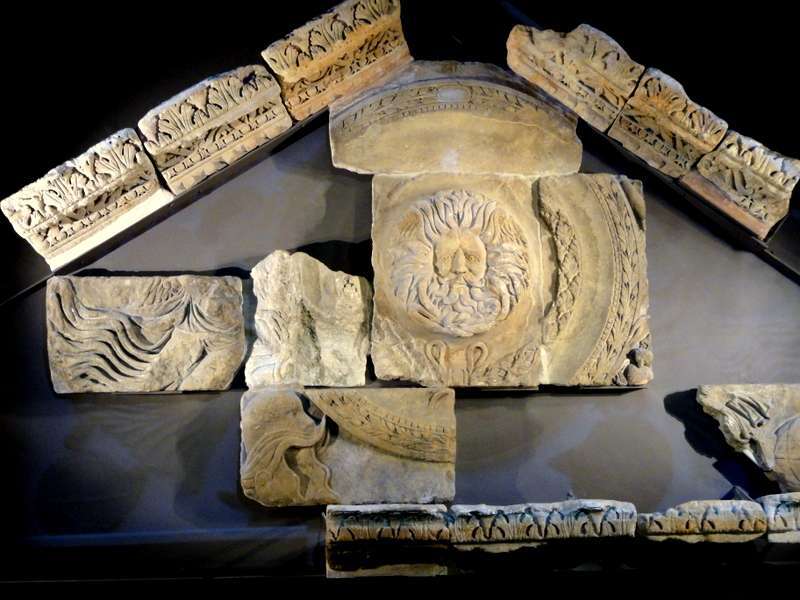
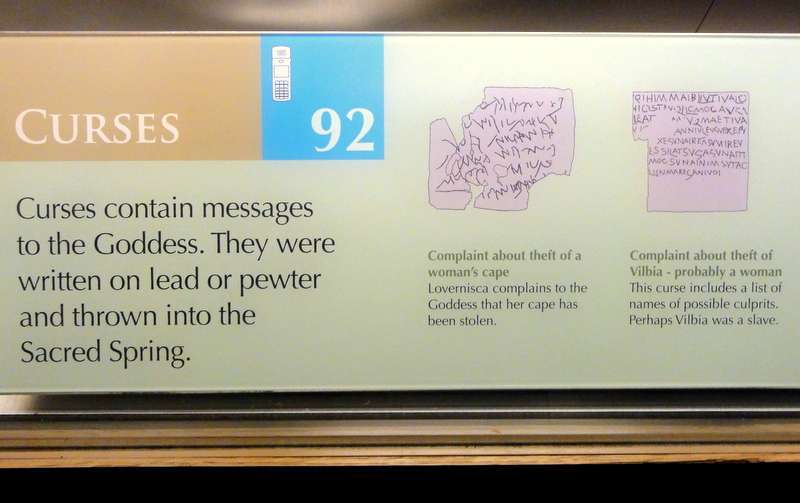
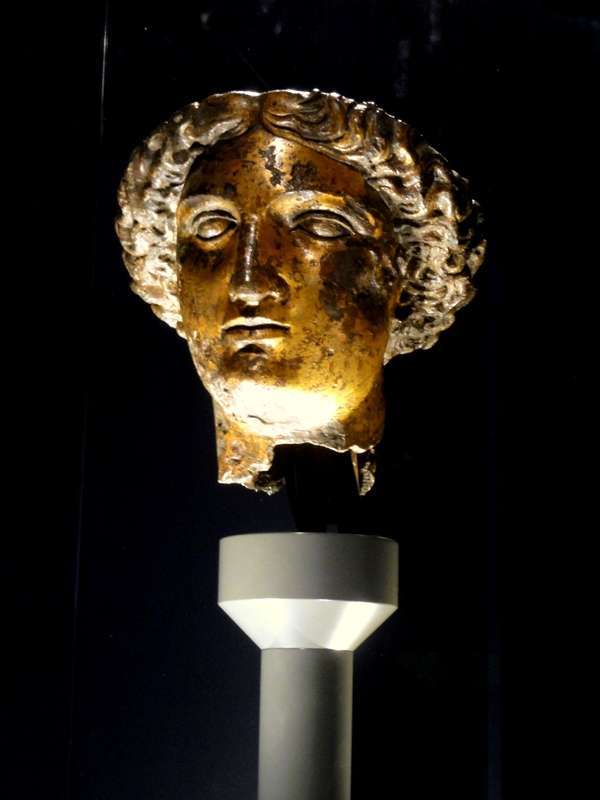
So in the museum you basically follow a story line and a route of the history of the Roman Baths which is based on modern interpretation assisted with visuals and interactive staging. One of the interesting objects I saw were the ‘curses’. They were short messages engraved on lead and threwn into the sacred spring. These short messages or rather curses, are complaints made by locals frequenting the bath, and they are mostly about petty thefts. Locals back then believed that the goddess Minerva who lives under the eternal sacred spring will hear their appeals and bring justice to their pleas.
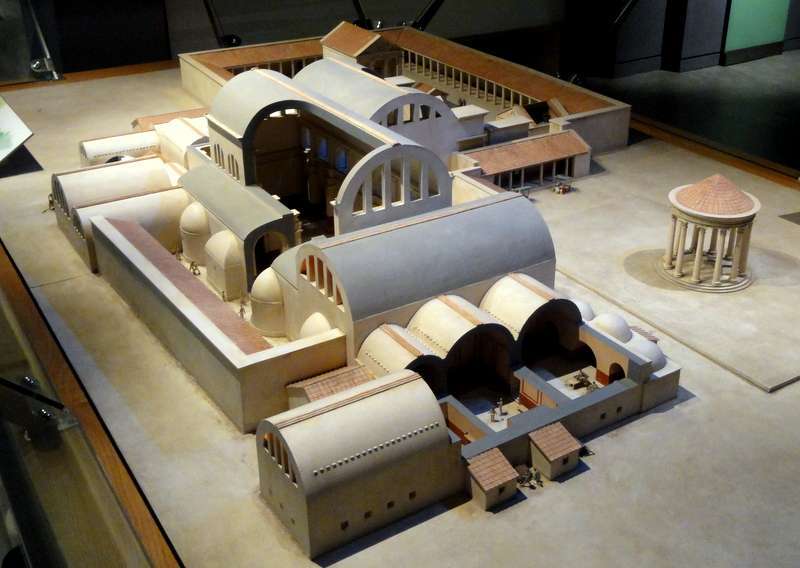
Another thing that brought perspective in this visit is the scale model of what the whole place looked like before. A gigantic complex of baths, a big temple, a large courtyard, galleries and more. The baths were just a portion of what the place was before. This could have easily been the most coolest thing on earth at that time in England?
You might know this already, bathing is a very important social function during the Roman times. If we do socialising these days in bars, restaurants, Facebook, Linkedin and Twitter, these bathing pools before have served exactly the same purpose. It’s just different times, different way of socialising, a different platform, but it’s still the same thing.
Don’t miss the Roman Baths when you are in Bath.



Travel Period: March 2015
Destination: Bath, Somerset (South West – England), United Kingdom
Keep in touch and follow me on Facebook: Travel & Lifestyle Diaries by Dutched Pinay Travels
Happy Travels! Enjoy Life =)