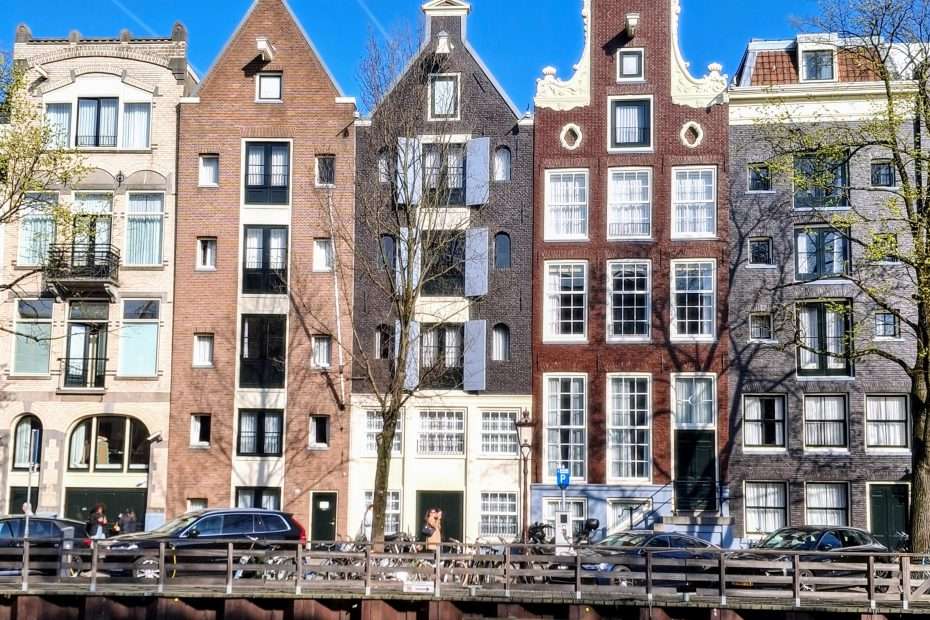
I have been thinking about Amsterdam a lot lately. It has been a while since my last visit, and with a major life change on the horizon, I realised it was time to say a proper goodbye to the city.

While I will certainly return in the future, it won’t be nearly as often. For years, my life in the Netherlands revolved around working in Amsterdam, made effortless by driving just 30 minutes from my home in Utrecht. But with an upcoming move to the countryside in North Brabant, frequent city trips will soon be a thing of the past. I asked myself: Why not visit one last time and truly enjoy it while I’m still nearby? And so, I did.
Navigating the City: Beats the Train, But Mind the Parking
It was the very end of March—that beautiful turning point where winter breaks, the days grow lighter, and the crisp air loses its bitter edge.
Normally, driving into Amsterdam means navigating the notoriously expensive parking system. Street parking now sits at a staggering €8.05 per hour, and garages range from €4.00 to €8.00 per hour depending on the zone. To avoid a massive bill, I always skip the core centre and book a fixed-rate day card further out. Since my itinerary focused entirely on the trendy neighbourhoods of the Jordaan and Amsterdam West, I booked a spot at the Q-Park Westergasfabriek. While public transport is always an option, the multiple transfers from my location would have eaten up too much precious time.
Immersive Magic at Fabrique des Lumières
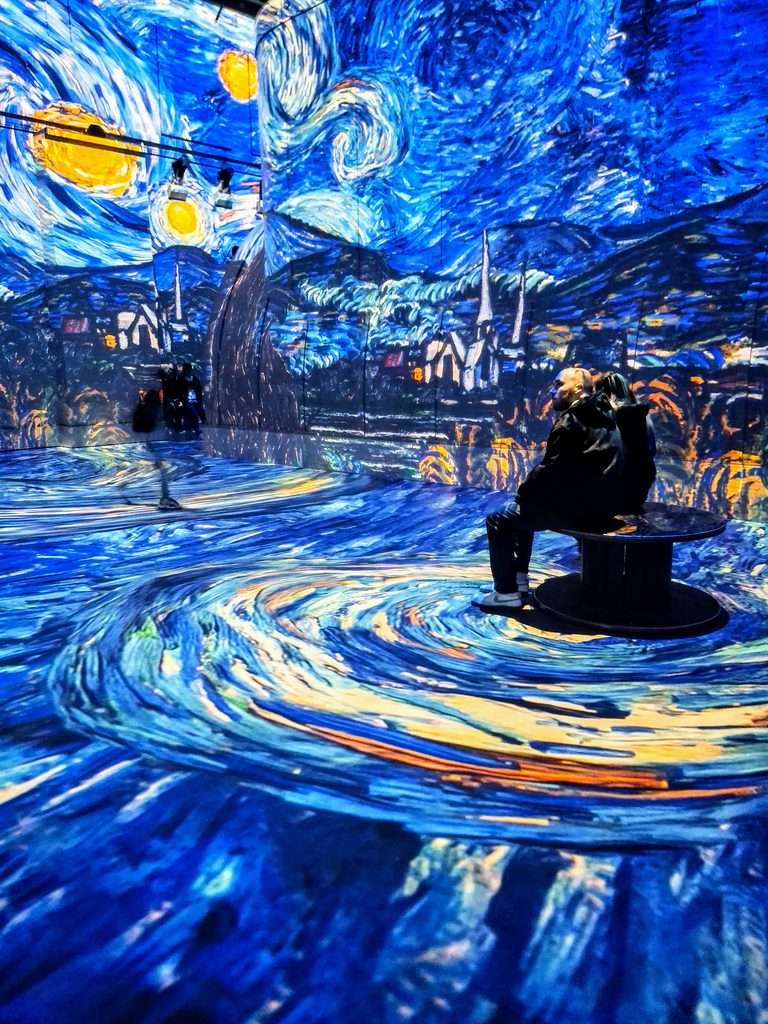
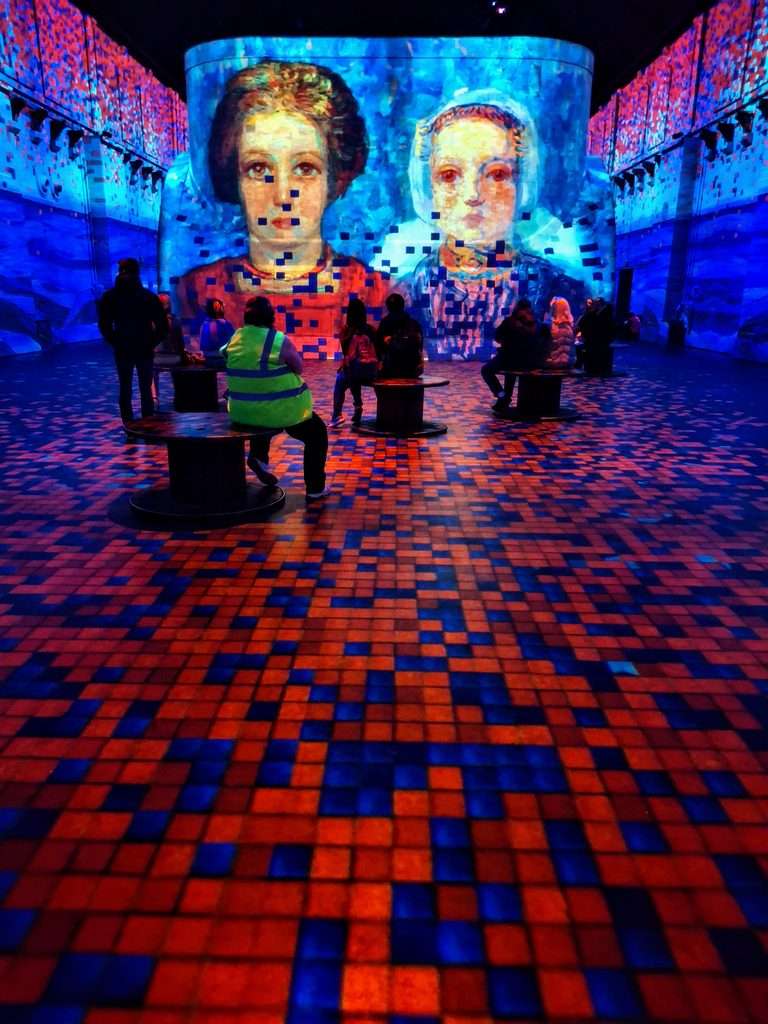
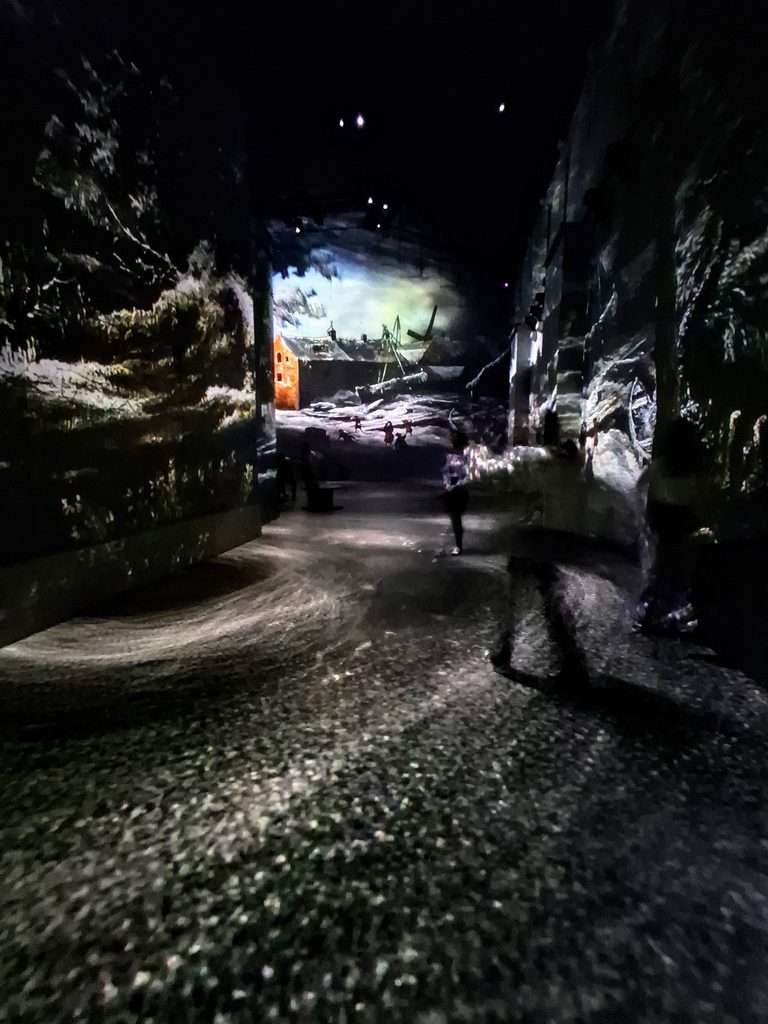
First on my list was the digital art exposition “Van Vermeer tot van Gogh, Hollandse Meesters” at the Fabrique des Lumières, located right inside the Westergasfabriek culture park.
I secured my tickets online for the sharp opening time of 09:30 AM. This was a highly coveted morning slot; the exhibition was supposed to have closed, but due to overwhelming demand, they opened a final run of morning shows. I was thrilled to make the cut.
The state-of-the-art digital technology was spectacular, literally breathing life into the Dutch Masters. As the art moved across giant screens all around the room, it became an entirely immersive, sensory experience. Suddenly, you aren’t just looking at a canvas—you are inside the painting. It felt incredibly zen, allowing me to relax and simply get lost in the fluid movements and splendid colours.




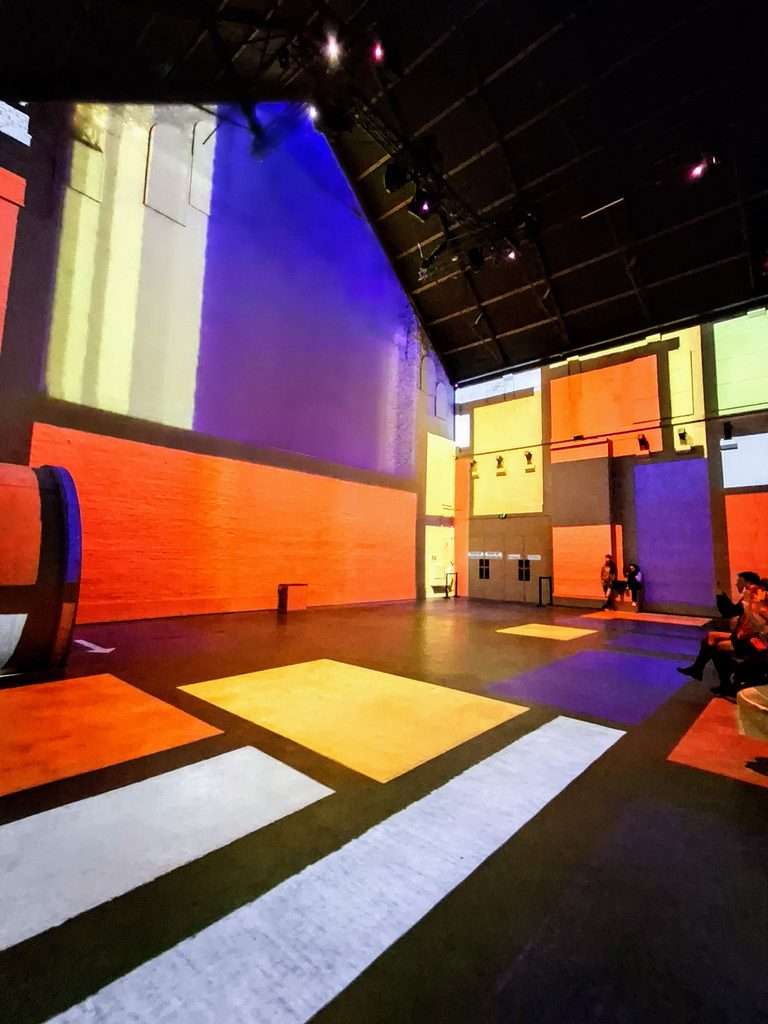
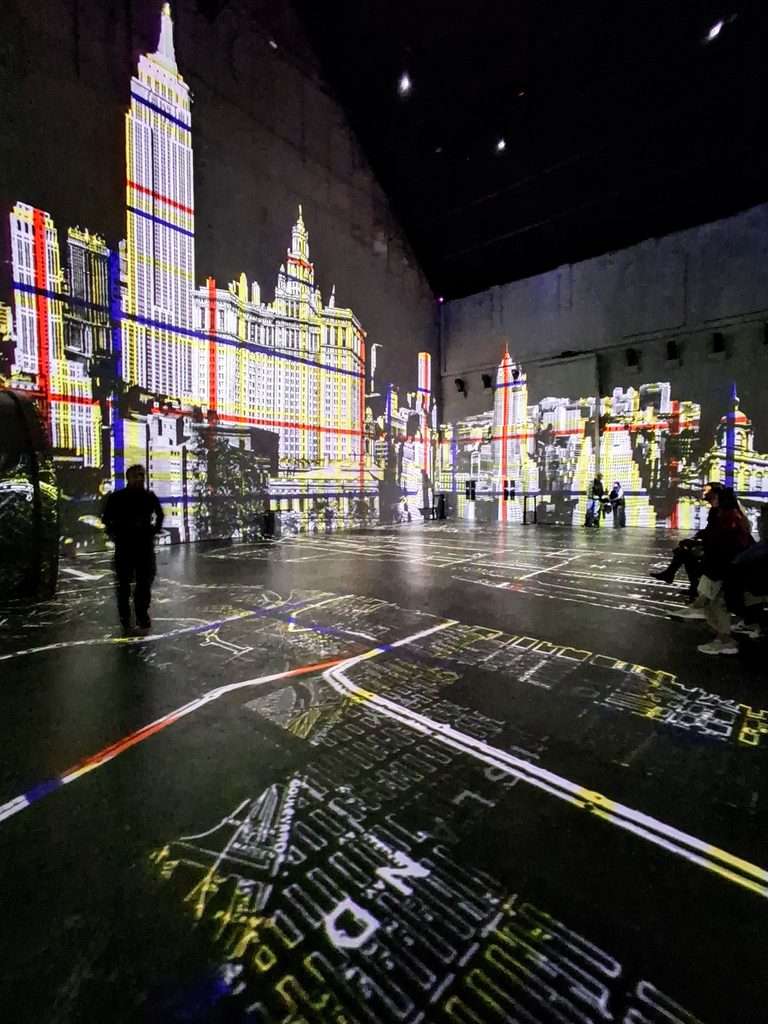
A Nod to the Past: The Westergasfabriek itself is steeped in industrial history. Built in 1885 by a British gas company, this sprawling complex was originally a coal gas plant that powered Amsterdam’s early street lighting. When the city stopped using coal gas in the 1960s, the heavily polluted site was left abandoned. It wasn’t until the early 2000s that it underwent a massive, award-winning environmental cleanup, transforming the striking neo-Renaissance brick structures from a toxic wasteland into the vibrant, eco-friendly cultural hub we enjoy today.

Slow Mornings at the Noordermarkt

After the show, it was time for morning coffee. I love the Noordermarkt area, especially on Saturdays when the organic farmers and brocante (antique) markets transform the quaint square into a lively hub of activity.
I grabbed a seat on the terrace at Café Hegeraad to simply slow down, sip my coffee, and watch the world go by. Sitting out in the pale spring sun on a lovely end-of-winter day was pure bliss.
A Nod to the Past: The Noordermarkt dates all the way back to 1616, originally built as a simple pottery and vegetable market for the working-class residents of the surrounding neighbourhood. It is also historically significant as the site of the Jordaan Strike in 1934, a fierce protest by citizens against government budget cuts during the Great Depression. Today, it proudly hosts one of the very few fully organic farmers’ markets left in the country.
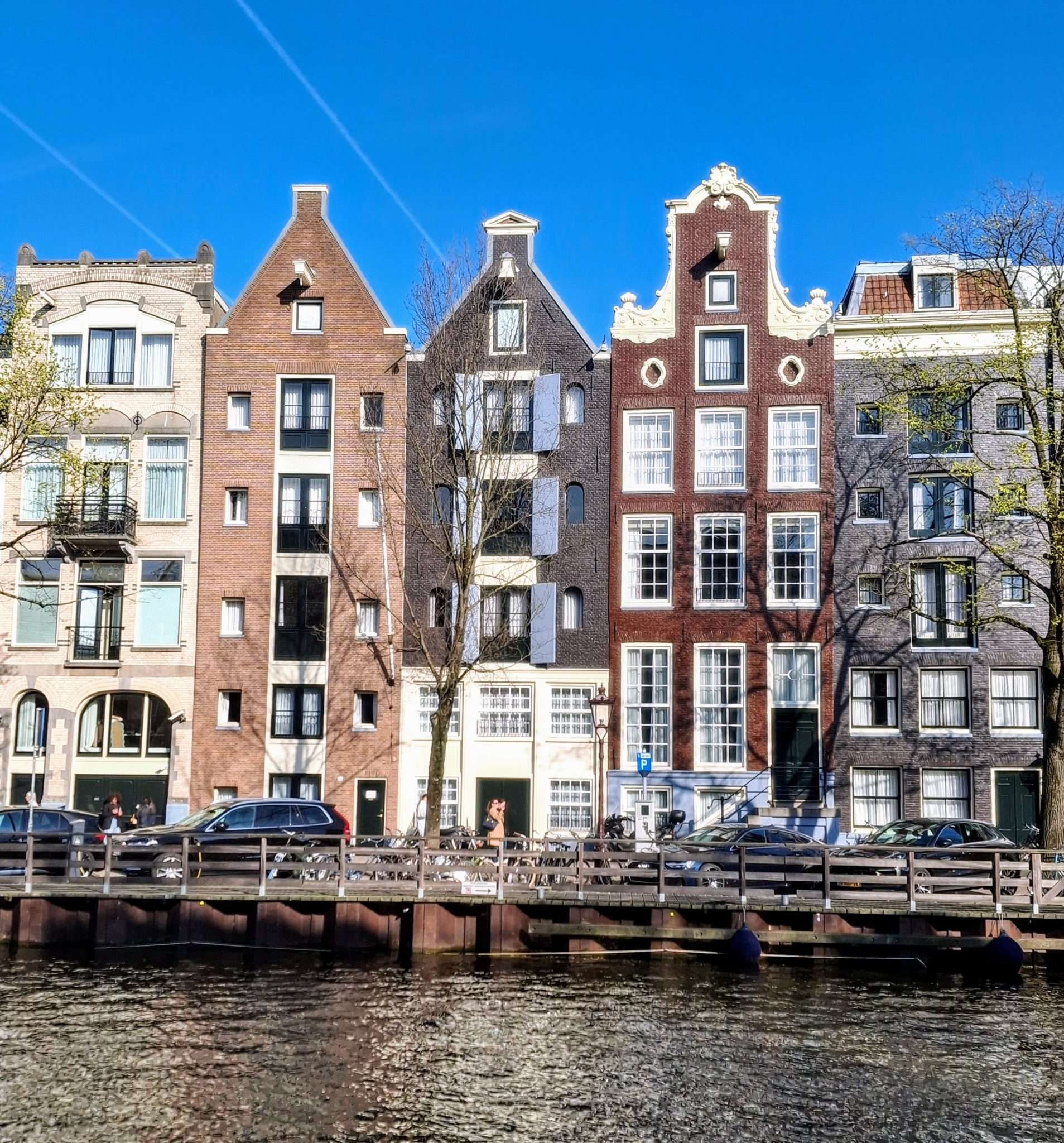
Pictures of Jordaan area, not specifically Noordermarkt:


Boutique Shopping in the ‘9 Straatjes’
Energised by the caffeine, I headed into the famous 9 Straatjes (Nine Streets) to browse my favourite design boutiques: Moooi and Polspotten.
While Moooi was fun for window shopping, I managed to score a beautiful piece for my living room table at Polspotten. I found a round, transparent, greyish glass pebble. It has a beautiful, calming aesthetic that perfectly reflects my contemporary interior style. It must come home with me.

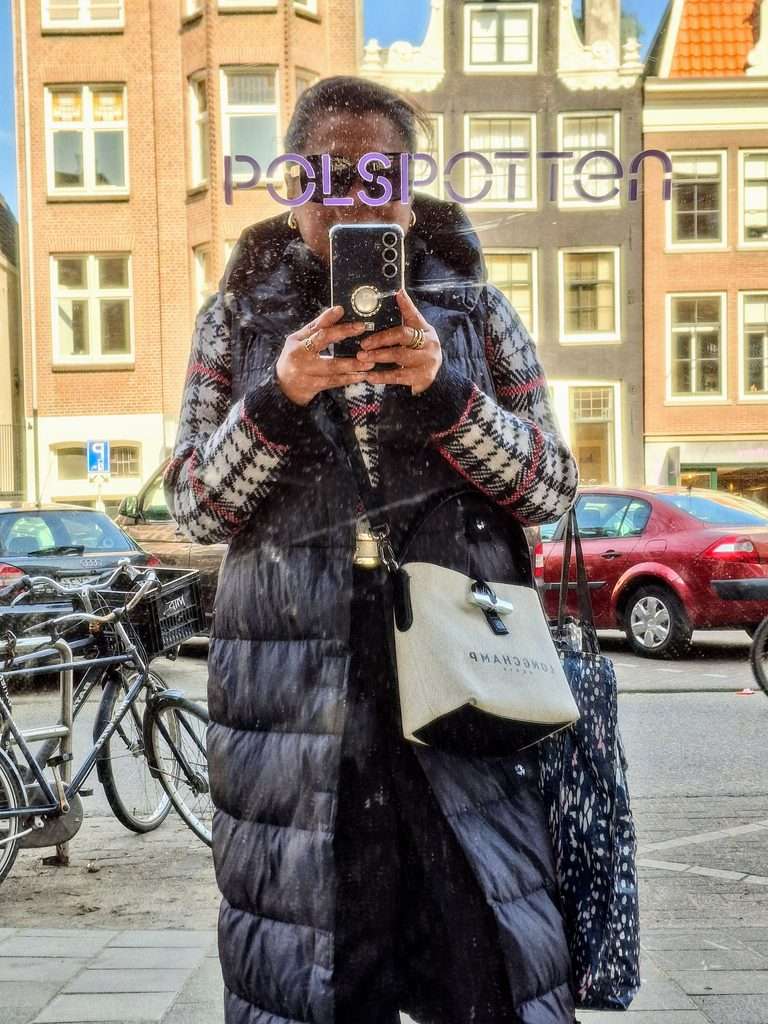
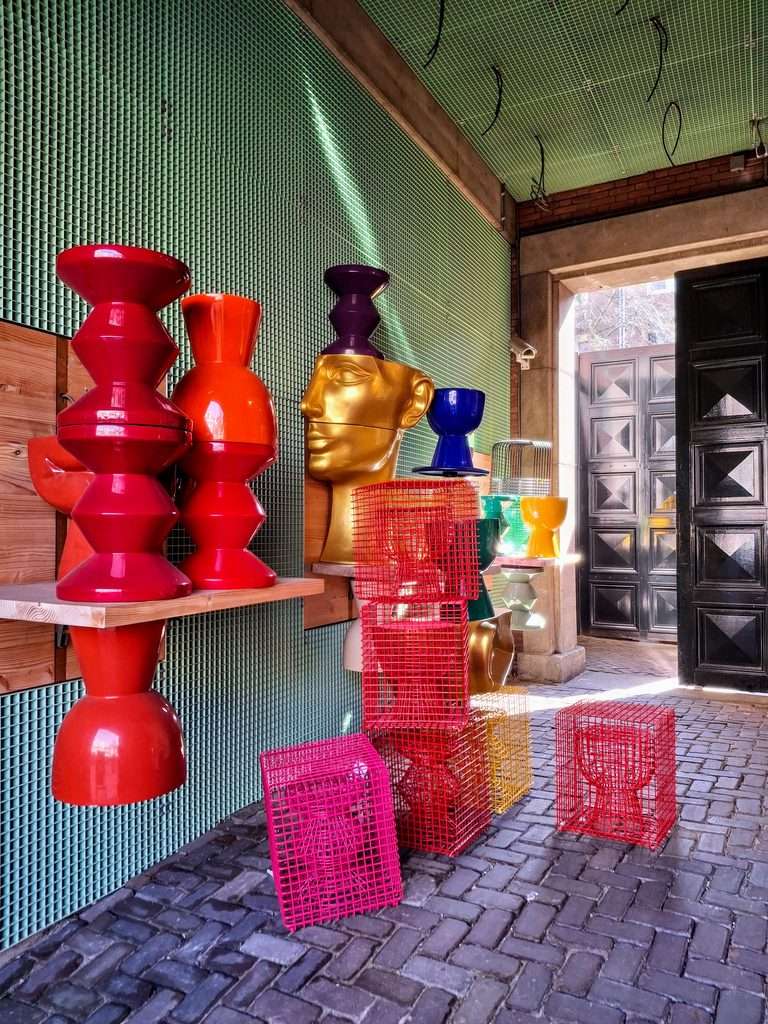
A Nod to the Past: Constructed during the grand 17th-century expansion of Amsterdam’s canal belt, these nine narrow connecting streets were named after the specific trades that dominated the area for centuries. They were originally packed with tanners, shoemakers, and furriers who used the nearby canals to process and transport animal hides. Today, the names of the streets—like Reestraat (Roe Deer Street) and Huidenstraat (Hides Street)—still honour their leather-working heritage.
Lunch: Worth the Viral Hype at Saint Jean
For lunch, I had one specific mission: try the famous Pistachio Cruffin at Saint Jean.
I had read rave reviews about this plant-based bakery online, and sure enough, a small queue was already forming outside when I arrived. It is immensely popular, and their baked goods notoriously sell out by early afternoon. I bought a Cruffin to eat right away, plus an almond pastry and a few extra Pistachio Cruffins to bring home so the Dutchman could try them too.
Oh, the glutton in me had to sneak another cruffin while this crow sat beside me eagerly waiting for a speck of crumb. Isn’t this bird just so adorable, and brave too, to be too close for comfort?


I am happy to report it entirely lived up to the viral internet hype! Both pastries were incredibly delicious. If I am ever back in Amsterdam, buying a box of these cruffins will be my top priority.
People Watching at the Spui

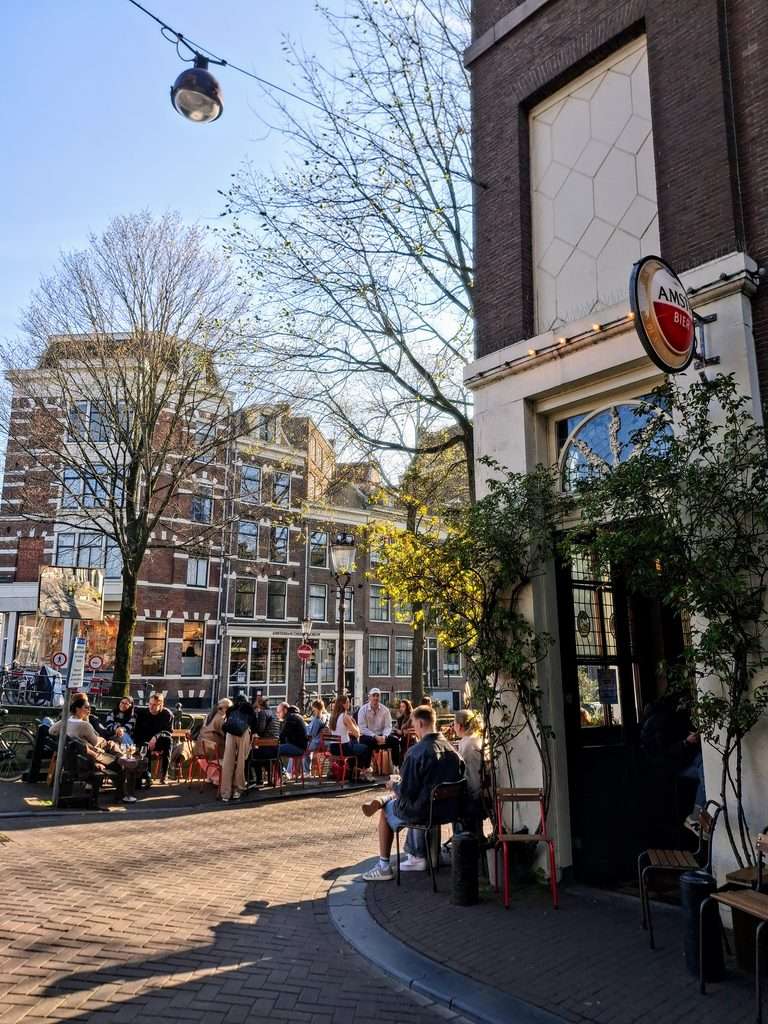
With a full stomach, I strolled over to the Spui square for a cold drink. The sun was shining bright enough to justify a cold Belgian beer on the terrace of the Brabantse Aap while soaking up the final hours of the Amsterdam vibe.
The triangular corner of the Spui is one of my favourite vantage points. You can just sit back, relax, and take in the architecture on the Singel canal, watch the iconic trams pass by, and observe the distant bustle of shoppers on the Kalverstraat.


A Nod to the Past: The Spui actually began its life underwater. Until the late 14th century, it was a literal body of water that served as the southern border of Amsterdam’s harbour. When the Singel canal was dug out, the Spui was locked off and eventually filled in around 1420 to create the square we know today. Over the centuries, it evolved into a fierce intellectual and political hotspot, famously serving as the birthplace of the counterculture Provo youth movement in the 1960s.
A Hidden Treasure in the Jordaan
Time flies when you are having fun, and the afternoon slipped away quickly. I made my way back toward the car, taking a final stroll through the winding streets of the Jordaan.
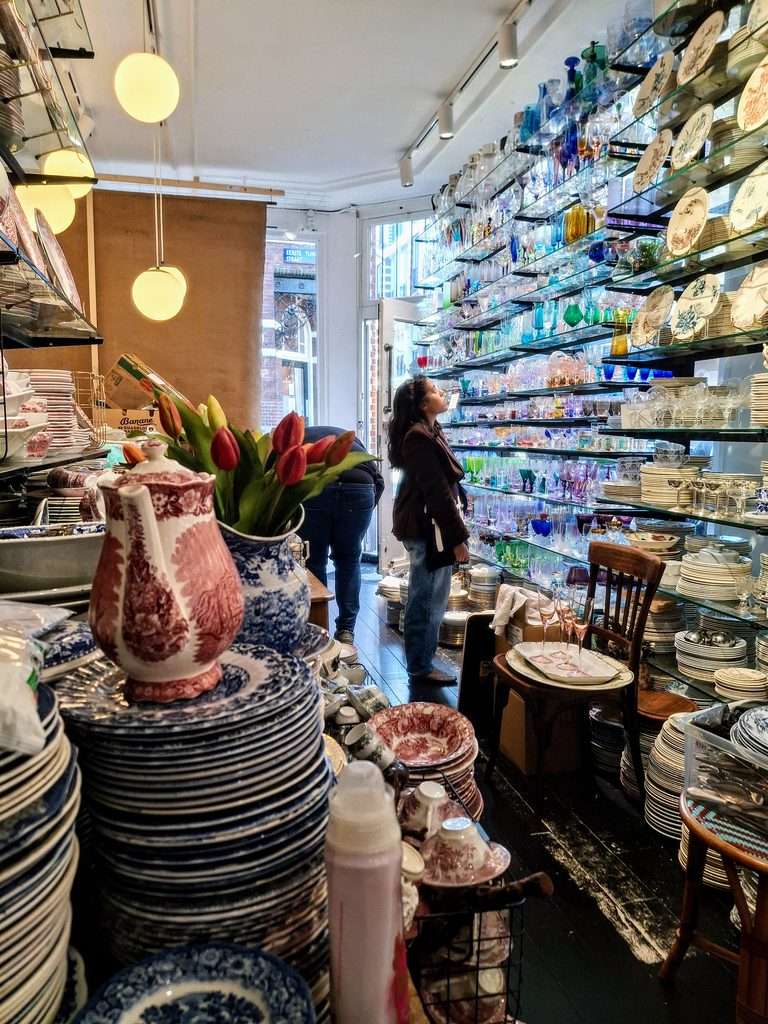
Along the way, I stumbled upon a shop called Tableware Amsterdam. The store is an absolute wonderland, packed to the brim with vintage, antique, and new porcelain and glassware. You have to move with absolute precision; in fact, my bag accidentally brushed against and knocked over a wine glass! Luckily, the owner was incredibly sweet, joking that it was their fault for overfilling the shop.
I couldn’t leave empty-handed and bought a stunning set of cobalt blue, wide-rimmed glasses. They are incredibly versatile and will be perfect for water, wine, or even elegant desserts in our new home. They will go very well with my blue porcelain from Royal Delft and Royal Doulton.


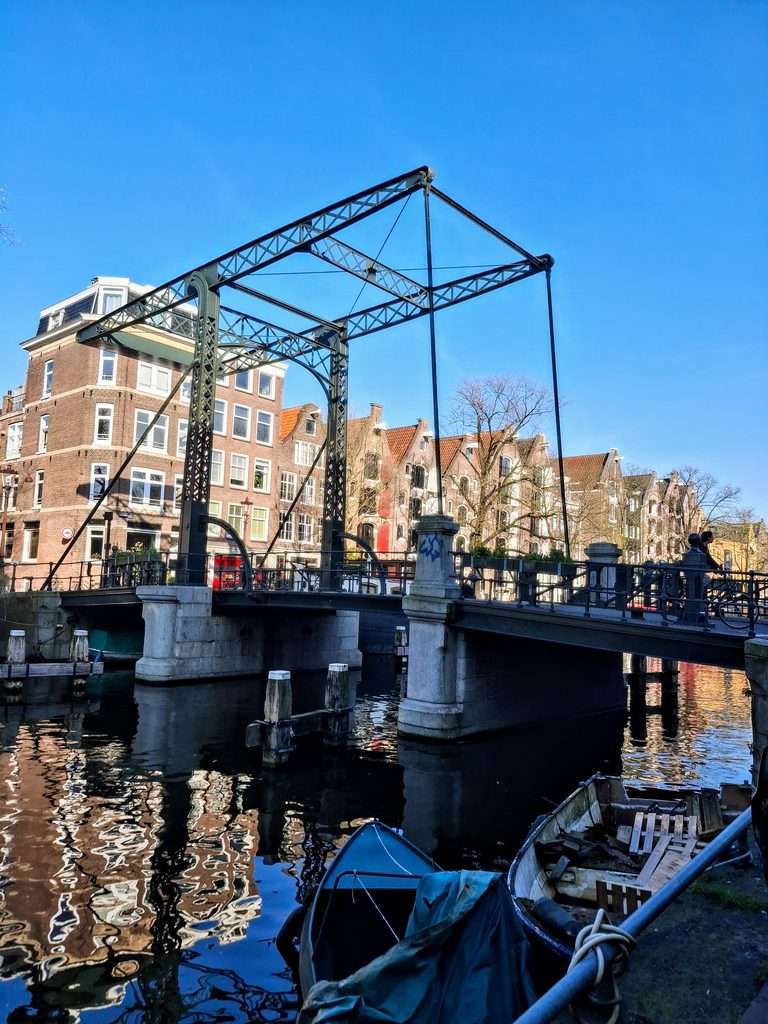

A Nod to the Past: The iconic Jordaan neighbourhood was originally dug in the early 1600s as a densely populated, working-class enclave for labourers and waves of religious refugees, including the French Huguenots. The name “Jordaan” is widely believed to be a corruption of the French word jardin (garden), as many of the neighbourhood’s streets and canals are historically named after flowers and trees. It remained a gritty, impoverished slum for hundreds of years before undergoing a massive bohemian revival and gentrification wave in the 1970s.
Absence Makes the Heart Grow Fonder
Loaded up with my new purchases and happy memories, I walked back to the Q-Park.
Leaving the city behind, I felt a wave of nostalgia. I will deeply miss the easy access to Amsterdam, but as the old saying goes, absence makes the heart grow fonder. If anything, it will only make my future visits feel even more special.
Happy Travels!
With love from Jo
Travel Period: March 2025
Amsterdam West, Amsterdam (North Holland), the Netherlands