One of the main reasons I wanted to visit Vienna was to watch grand opera, ballet, and musical shows while marvelling at the magnificent interiors of its historic theatres. In fact, putting together my own mini vienna theater guide quickly became the core focus of my trip planning. And, I have to admit, eating some authentic Viennese schnitzel was high on the agenda too. A truly Viennese pairing? The performing arts and classic cuisine—why not?
I did my research to see how a visitor could experience the best of the city’s stage culture, and I was thrilled to find three performances across completely different genres running during my week there in September: a ballet, a musical, and a classical orchestra concert. Talk about luck! If you are looking for an authentic roadmap to navigate the local performance scene, let this be your ultimate vienna theater guide to balancing spectacular shows with historic taverns.
Act I: High Society and Romance at the Vienna State Opera

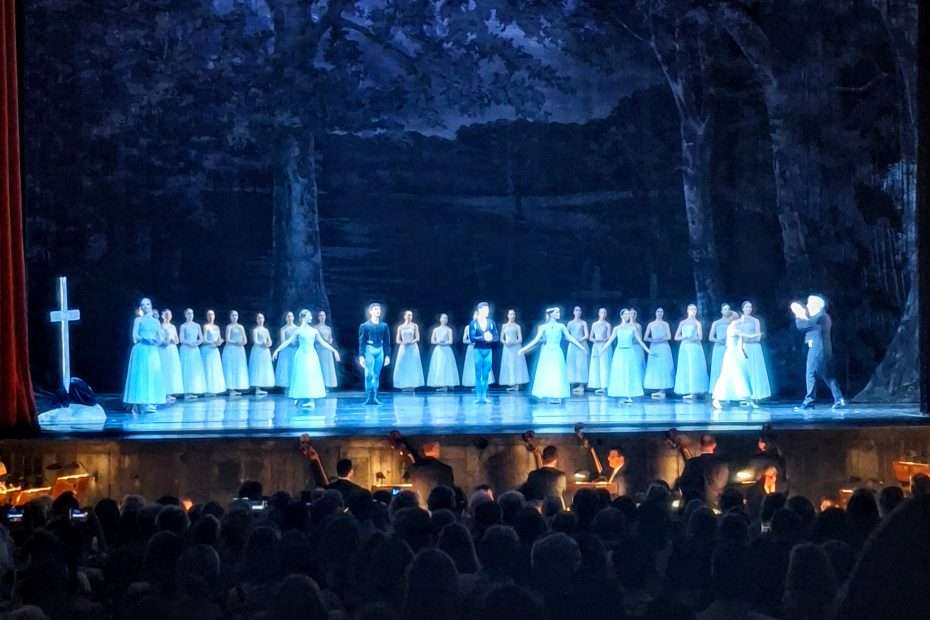
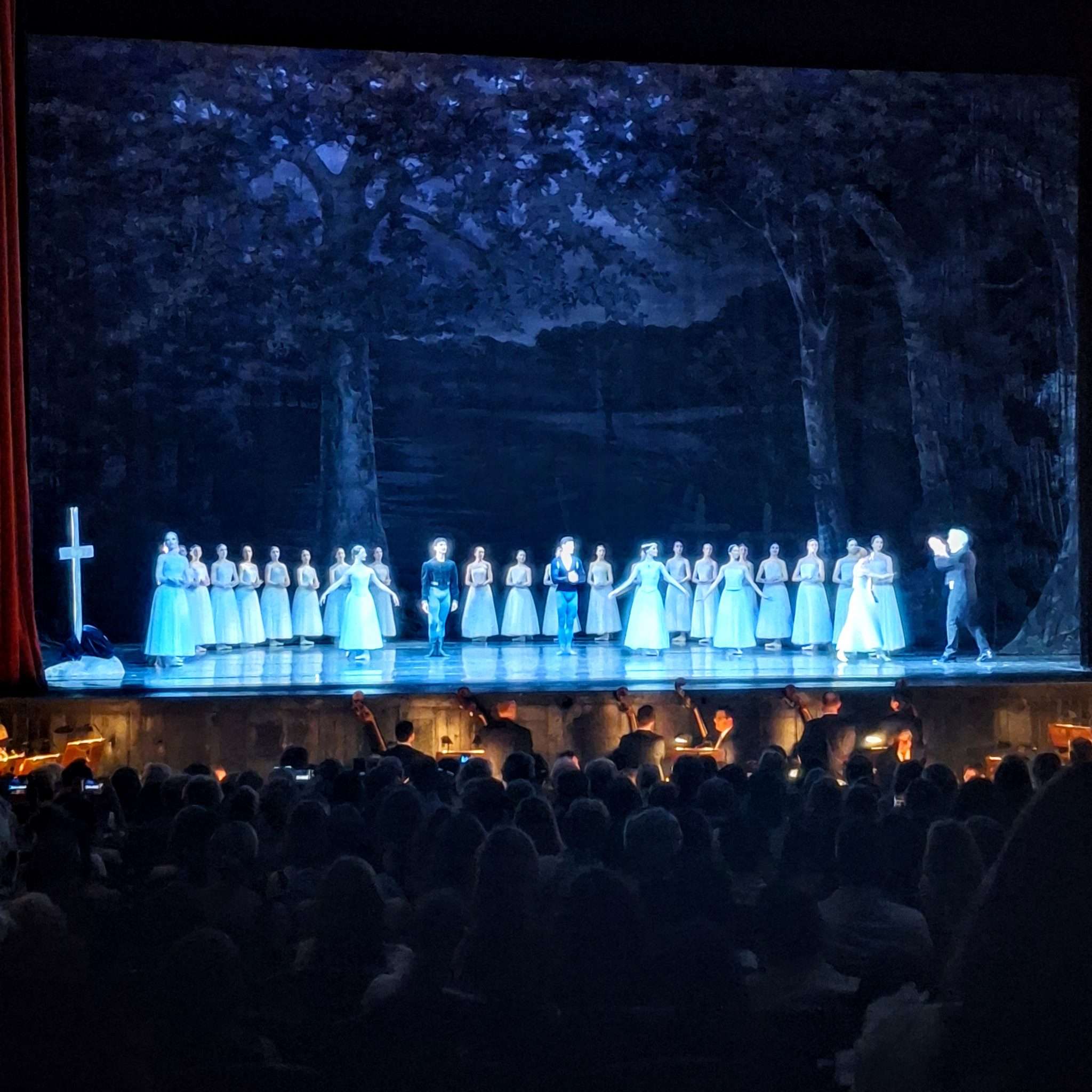
I was ecstatic when I managed to score a ticket to the Giselle ballet at the world-renowned Vienna State Opera.
About the Venue: Opened in 1869 with a performance of Mozart’s Don Giovanni, the Vienna State Opera is a breathtaking Neo-Renaissance landmark. It is one of the busiest and most prestigious opera houses in the world, staging over 350 performances a year. Though heavily damaged during World War II, it was meticulously rebuilt and reopened in 1955. Today, it can accommodate over 2,200 spectators, including its famous standing-room areas.
The show was entirely sold out, but my research paid off: I discovered their famous standing-room tickets (Stehplatz), which are exclusively sold on the day of the performance. You can grab them online or directly at the dedicated box office window (Stehplatz-Kasse) located on the Operngasse side of the building. I queued up an hour before curtain and successfully secured my spot.
The performance was beautiful and a truly sophisticated experience. As with most romantic ballets, the plot ends with the tragic death of the heroine, and the principal dancers were absolutely excellent. However, the evening taught me something new about myself: I realised I am simply not a massive ballet fan. I watched a performance years ago in Tallinn, Estonia, which was lovely, but this Viennese production was objectively superior.


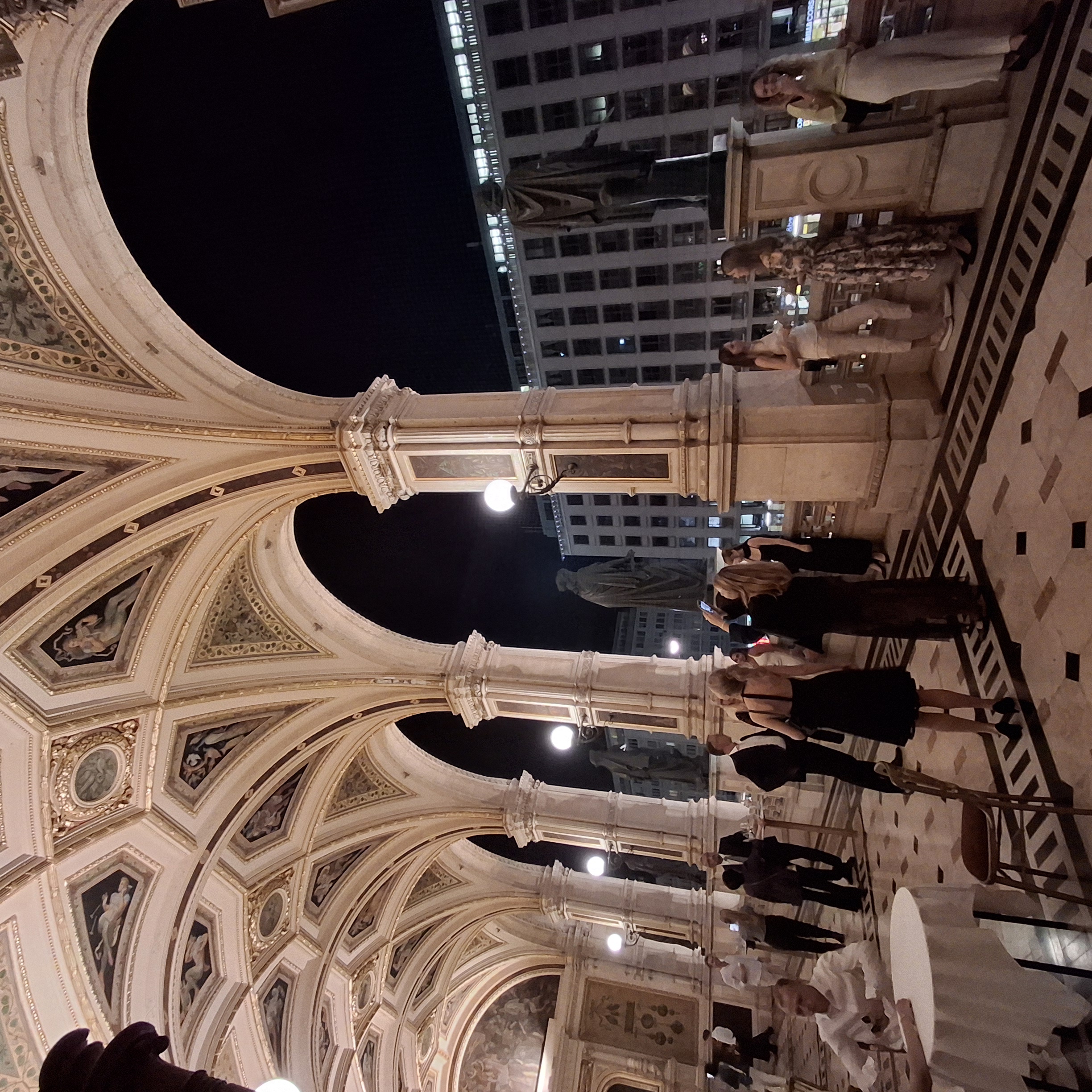
What elevated the entire night was the architecture itself. The grand staircase, the sprawling rooms, and the opulent interiors are utterly mesmerising. During intermission, I wandered around to admire the main vestibule, the central staircase, the foyer, the tea room, and the loggia. The halls were swarming with excited theatregoers chatting over glasses of champagne and wine. While you can reserve an intermission table ahead of time, it isn’t necessary; many people just buy drinks and stand at the high tables or drift through the rooms.
The audience here trends older and beautifully dressed; seeing guests in full evening gowns was an absolute joy. My favourite spot was the loggia, where the stone arches look out over the glittering city streets below. Watching elegantly dressed people sip wine and whisper about the performance felt exactly like stepping into a period-piece movie. It felt magical—a slice of 19th-century elegance alive and well.


Act II: Adrenaline and Spectacle at the Raimund Theatre
The next show on my itinerary was The Phantom of the Opera at the historic Raimund Theatre. I booked my ticket directly through the theatre’s box office.

About the Venue: Founded in 1893 by a collective of Viennese citizens, the Raimund Theatre was named after the famous Austrian dramatist Ferdinand Raimund. Initially built to showcase German folk plays and operettas, it evolved over the 20th century into Vienna’s premier hub for large-scale, Broadway-style musicals. Following a major multi-million euro renovation, the contemporary, sustainable venue seats around 1,400 people.
While the theatre’s interior is simpler and more modern compared to the imperial opulence of the State Opera, this ended up being my absolute favourite show of the trip. It was spectacular. The musical arrangements, the powerful vocals, the acting, the staging, and the special effects were completely flawless.
The production delivered a massive, heart-stopping moment right before intermission when the iconic chandelier crashed down, hanging suspended right above our heads! The combination of dramatic lighting, heavy smoke, booming sound effects, and pure suspense had the entire audience screaming in delight. It was a masterclass in stagecraft, leaving us on such a high that we practically rushed to the bar during the break just to burn off the adrenaline.


The crowd here was much younger, filled with students and a few school groups out on an assignment. The vibe was casual and laid-back—not a single evening gown in sight. Of all the productions I saw, this was the standout highlight of my trip. In fact, the show was so incredibly catchy that the iconic Phantom of the Opera theme song became the permanent soundtrack to my vacation; it kept playing on a loop in my head for weeks even after I returned home.
Act III: Gold and Tourist Traps at the Musikverein
My final evening was dedicated to a classic Mozart Orchestra Concert at the famous Wiener Musikverein. I purchased my ticket at the Vienna tourist information desk in the city centre located at Albertinaplatz.

About the Venue: Inaugurated by Emperor Franz Joseph I in 1870, the Musikverein is globally celebrated as the home of the Vienna Philharmonic and the venue for the world-famous New Year’s Concert. Designed by architect Theophil Hansen in a stunning Neoclassical style, its main auditorium is widely considered one of the top three concert halls in the world due to its unparalleled acoustics.
The performance took place inside the legendary Golden Hall (the Great Hall), which seats 1,744 people alongside roughly 300 standing spaces. The hall itself is a visual masterpiece; the sheer amount of gold around you gives the impression that the entire room is glowing.
The orchestra performed in elaborate 17th-century period costumes. While the musicians themselves were highly talented, the delivery and overall atmosphere felt incredibly commercial and tacky. The audience was overwhelmingly composed of tourists who continuously ignored theatre etiquette, filming and taking photos throughout the entire performance.


I was completely gobsmacked by the unruly behaviour, and the constant distractions made it difficult to genuinely enjoy the music. It became clear that this specific concert series is heavily packaged for mass tourism. I suppose I should have expected it—Mozart is synonymous with Vienna, and visitors come looking for that specific cultural postcard. Years ago, I attended a similar Mozart concert in Salzburg at St. Peter’s Abbey that featured an intimate, candlelit dinner; that remains a far more refined and elevated memory.
The Culinary Counterpart: A Tale of Two Schnitzels
Naturally, no cultural tour of Vienna is complete without tasting its most iconic dish. Except for the night of the ballet—where I opted for prosecco and cake at the famous Café Mozart—I paired my shows with traditional schnitzel dinners.
Dinner 1: A Local Gem at Mariahilferbräu
Before heading to The Phantom of the Opera, I had dinner at Mariahilferbräu, located within short walking distance of the Raimund Theatre, not too far away from the Westbahnhof railway station, in a vibrant and diverse neighbourhood known as Rudolfsheim-Fünfhaus in the 15th district of the city.


About the Restaurant: Mariahilferbräu is a beloved, traditional Austrian tavern known for its cosy, wood-panelled interior and extensive selection of local beers. It is highly regarded by locals for serving unpretentious, hearty Viennese comfort foods like goulash, spaetzle, and classic fried cutlets.
I am not a big meat eater, so I might not be the ultimate judge, but this was a genuinely delicious schnitzel. It was perfectly prepared, and I easily finished the whole plate. Because the tavern is a neighbourhood spot rather than a tourist destination, it offered a wonderful, authentic change of scenery.
Dinner 2: Oversized Icons at Figlmüller
For my meal before the Musikverein concert, I headed to the world-famous Figlmüller. Knowing its immense popularity, I arrived early to beat the rush. A line had already formed, but because most groups were large, I lucked out and got seated ahead of them when a table for two opened up.

About the Restaurant: Founded by Johann Figlmüller in 1905 right behind St. Stephen’s Cathedral, Figlmüller is widely considered the birthplace of the oversized Viennese pork schnitzel. Now run by the fourth generation of the family, the historic restaurant has spent over a century perfecting a secret recipe. Their signature dish is pounded thin with heavy mallets until it reaches a massive 30 centimetres in diameter.
In all honesty, I have never seen such a massive schnitzel in my life! It was literally larger than my head or both of my hands combined. The pork cutlet was delicious but completely humongous, and finishing it was an impossible task—I noticed almost every woman in the dining room was asking for a doggie bag to go.
As a quirky side note: the restroom at this historic location is actually situated outside on the street, and you have to request a physical key attached to a giant cowbell to enter it! It was the perfect, memorable end to my culinary track. One thing is absolutely certain: I have officially met my schnitzel quota for the year.


💡 Practical Vienna Theater Guide: Travel Tips for Your Cultural Tour
If you are planning your own performing arts and culinary tour of Vienna, use this insider vienna theater guide to ensure your ticketing, dress codes, and dining reservations run smoothly:
🎭 Scoring the Best Theatre Tickets
- The Standing-Room (Stehplatz) Secret: Don’t skip the Vienna State Opera just because it’s sold out. Standing-room tickets go on sale the day of the performance (both online and at the Stehplatz-Kasse box office on the Operngasse side). They cost a fraction of regular tickets but offer incredible views. The box office opens an hour before curtain call.
- Dress the Part: Dress codes vary wildly by venue. For the Vienna State Opera, embrace the glamorous atmosphere and dress up—you will see everything from smart casual to full evening gowns. For modern musicals at the Raimund Theatre, a relaxed, casual outfit is perfectly fine.
- Beat the Tourist Traps: If you want a truly refined classical music experience, skip the mass-tourism concerts at the Musikverein’s Golden Hall. Instead, look for intimate chamber music performances in historic local churches, or book standard season tickets for the Vienna Philharmonic well in advance. Check Vienna info for more Music & Stage Shows.
🍽️ Navigating the Schnitzel Scene
- Book Figlmüller Early: Figlmüller is an institution, and lines form fast. If you don’t have a reservation, arrive 15–30 minutes before opening hours, or travel solo/in a pair. Small tables open up much faster than tables for large groups.
- Portion Control: A traditional Viennese schnitzel at places like Figlmüller is easily large enough for two people to share. Don’t be afraid to ask your server for a wrap or “doggie bag” (Einpacken bitte!)—it is incredibly common there.
- Go Local for Value: For a more relaxed, authentic, and budget-friendly meal, look for traditional neighbourhood taverns (Gasthäuser) like Mariahilferbräu near your venue rather than dining right in the tourist-heavy city centre. I look for them on Google Maps and Tripadvisor.
Check out my Vienna’s cafe guide here as well: A First-Timer’s Strategic Guide to Vienna’s Grandest Cafes
Happy Travels!
With love from Jo
Travel Period: September 2025
Vienna, Austria